We offer 24-hour emergency services. Visit us for your urgent care needs.

How Long Can a Dental Crown Last with Proper Care?


Dental crowns are an essential part of restorative dentistry, providing both functional and aesthetic benefits. They are designed to restore the integrity, shape, and size of a tooth and protect it from further damage. At Simon Dentistry in Bowling Green, we understand the importance of durability and longevity when it comes to dental restorations. This article explores how long a tooth crown can last with proper care, the factors influencing its lifespan, and best practices for maintaining your crown.
Understanding Dental Crowns
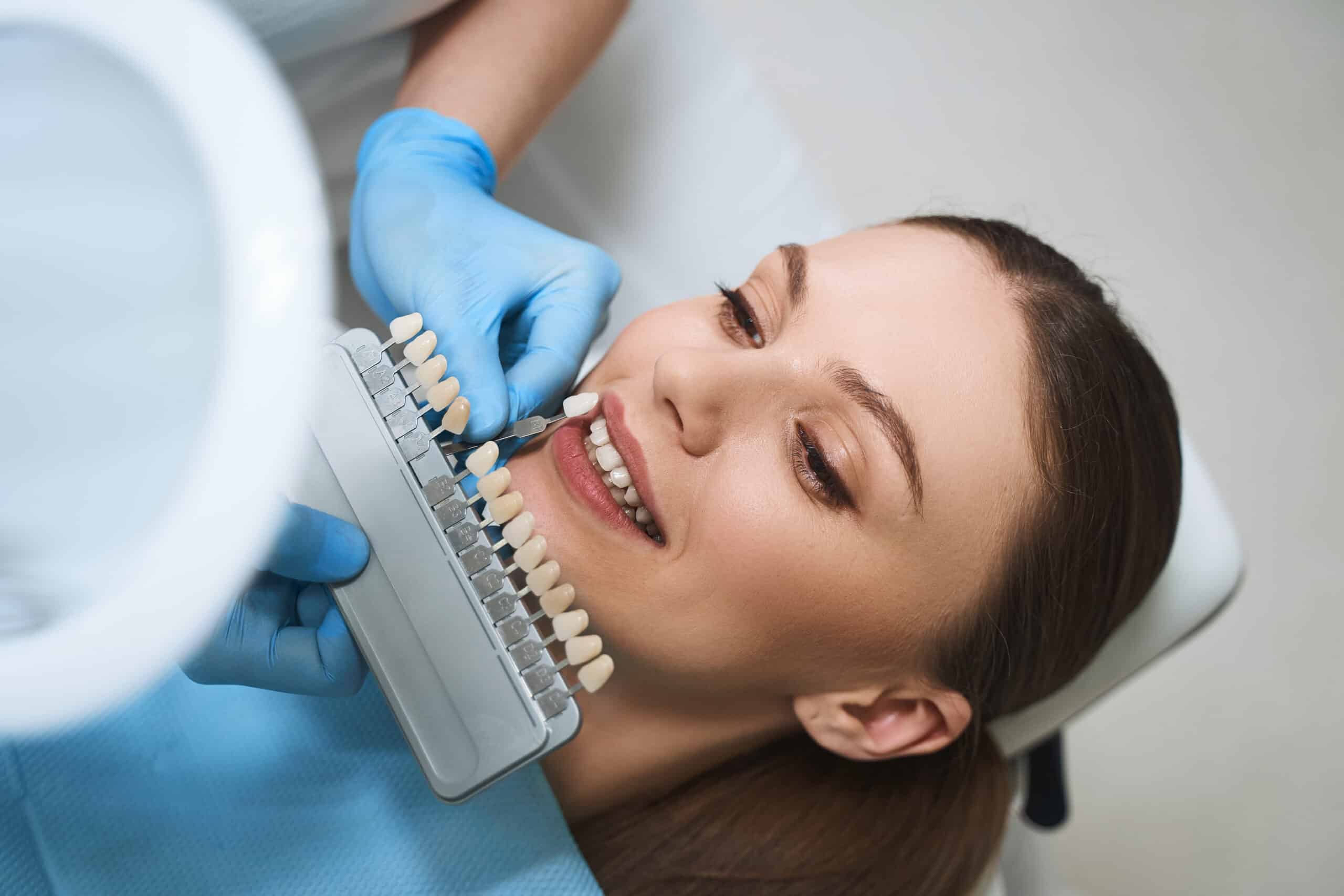
A dental crown is a cap placed over a damaged tooth to restore its shape, size, strength, and appearance. Crowns are typically recommended for teeth that are too damaged to be repaired with a filling. They can be made from various materials, including porcelain, ceramic, metal alloys, and composite resin. Each material has its advantages, and the choice depends on the location of the tooth, the extent of the damage, and the patient’s aesthetic preferences.
Factors Influencing the Lifespan of a Dental Crown
The longevity of a dental crown is influenced by several factors, including:
1. Material Used
The type of material used for the crown plays a significant role in its durability:
- Porcelain and Ceramic Crowns: These are highly aesthetic and blend well with natural teeth. However, they may not be as strong as metal crowns and can be more susceptible to chipping and cracking.
- Metal Crowns: Made from gold, platinum, or base metal alloys, these crowns are extremely durable and resistant to wear. They are often used for molars, where the greatest forces of chewing are felt.
- Porcelain-Fused-to-Metal (PFM) Crowns: These offer a balance between strength and aesthetics, with a metal base for durability and a porcelain exterior for a natural look.
- Composite Resin Crowns: These crowns are less durable and may wear down more quickly.
2. Location in the Mouth
Teeth located at the back of the mouth (molars) endure more force from chewing and grinding. As a result, crowns on these teeth may wear out faster than those on the front teeth, which experience less pressure.
3. Oral Hygiene Practices
Maintaining good oral hygiene is crucial for longevity. Regular brushing, flossing, and dental check-ups help prevent decay and gum disease, which can compromise the crown’s integrity and the health of the underlying tooth.
4. Lifestyle and Habits
Certain habits can affect the lifespan of a dental crown, including:
- Bruxism (Teeth Grinding): Grinding or clenching teeth can exert excessive pressure on crowns, leading to damage.
- Diet: Consuming hard foods, such as ice, nuts, and hard candies, can chip or crack crowns. Additionally, sugary and acidic foods can increase the risk of decay around the crown.
- Oral Habits: Using teeth as tools (e.g., opening packages) can damage crowns.
Average Lifespan of Dental Crowns
With proper care, dental crowns can last anywhere from 5 to 15 years and, in some cases, even longer. Here’s a breakdown based on the type of crown:
- Porcelain and Ceramic Crowns: Typically last between 5 to 15 years.
- Metal Crowns: Can last upwards of 20 years or more due to their durability.
- Porcelain-Fused-to-Metal (PFM) Crowns: Generally last between 10 to 15 years.
- Composite Resin Crowns: Have the shortest lifespan, averaging 5 to 7 years.
Best Practices for Extending the Life of Your Dental Crown
Maintaining the longevity of your dental crown is crucial for preserving your oral health and ensuring that your restoration remains effective and aesthetically pleasing. Whether you’ve recently had a crown placed or have had one for some time, implementing best practices can significantly impact its lifespan. As your trusted restorative dentist in Bowling Green, we emphasize the importance of adopting a comprehensive approach to dental care. By following these guidelines, you can help ensure that your dental crown continues to function optimally and complements your overall dental health:
1. Maintain Excellent Oral Hygiene
Brush your teeth at least twice a day and floss daily to remove plaque and food particles. Use fluoride toothpaste to strengthen tooth enamel and reduce the risk of decay around the crown. Consider using an antibacterial mouthwash to reduce plaque buildup and maintain gum health.
2. Regular Dental Check-Ups
Visit your dentist at least twice a year for routine cleanings and check-ups. Regular dental visits allow your dentist to monitor the condition of your crown and the health of the underlying tooth. Any issues can be detected early and addressed promptly.
3. Address Bruxism
If you grind or clench your teeth, talk to your dentist about getting a custom night guard. A night guard can help protect your crowns and natural teeth from excessive wear and damage caused by bruxism.
4. Be Mindful of Your Diet
Avoid hard and sticky foods that can damage your crown. Cut down on sugary and acidic foods and beverages to prevent decay. Drink plenty of water to help wash away food particles and bacteria.
5. Avoid Using Teeth as Tools
Refrain from using your teeth to open packages, bite nails, or hold objects. Such habits can cause your crown to chip or crack.
6. Quit Smoking
Smoking can adversely affect your oral health, increasing the risk of gum disease and decay. Quitting smoking can improve your overall health and extend the lifespan of your dental restorations.
When to Replace a Dental Crown
Despite best efforts, there may come a time when a dental crown needs to be replaced. Signs that a crown may need replacement include:
- Visible Wear or Damage: Chips, cracks, or significant wear on the crown surface.
- Discomfort or Sensitivity: Pain or sensitivity when chewing or to temperature changes, indicating potential issues with the underlying tooth.
- Decay: Signs of decay around the crown or at the gumline.
- Gum Recession: Gum recession can expose the edges of the crown, increasing the risk of decay and affecting the crown’s fit.
If you notice any of these signs, schedule a prompt appointment with your dentist to evaluate the crown and determine if replacement is necessary.
A dental crown is a valuable investment in your oral health, restoring the function and appearance of damaged teeth. With proper care, crowns can last many years, providing you with a durable and aesthetically pleasing solution. Our dental professionals in Bowling Green are committed to helping you maintain your dental restorations and achieve optimal oral health. By following best practices and addressing any issues promptly, you can extend the lifespan of your dental crowns and enjoy a healthy, beautiful smile for years to come.