We offer 24-hour emergency services. Visit us for your urgent care needs.

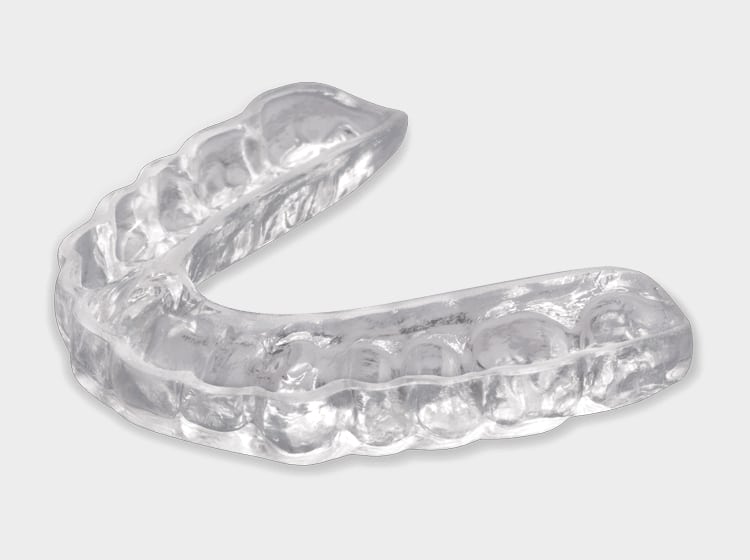
Nightguard Availability in Bowling Green, KY
Occlusal Guards are used to treat a condition known as bruxism, (pronounced BRUK-sizm) which is the forceful clenching and/or grinding of the teeth. In most people, bruxism is mild enough not to be a significant problem; however, some people suffer from severe bruxism that can later become a problem. Bruxism often occurs during sleep and can even occur during short naps.
Advantages of Utilizing Night Guards for Bruxism
Bruxism, the act of grinding teeth, can occur both during the day and while sleeping. It is often triggered by emotions like anger, stress, or anxiety and is usually done unconsciously. However, this habit can have negative effects on oral health. Our dentist in Bowling Green may suggest using a nightguard along with anxiety treatments like medication or therapy to protect your teeth.
Although night guards cannot completely stop teeth grinding, they can assist in preventing damage to fillings, chipping or loosening of teeth, and excessive wear of tooth enamel. Additionally, using a nightguard may enhance the quality of sleep and alleviate symptoms associated with bruxism.
Tooth sensitivity or discomfort can be experienced.
Cheek biting
Gums that are receding
Feeling tired due to sleep being constantly disrupted throughout the night.
I am feeling discomfort in my face because my jaw muscles are tight or sore.
Headaches caused by temple-related issues.
Using Nightguards for TMJ Offers Numerous Advantages
The TMJ, also known as the temporomandibular joints, are essential for the movement of your mouth. Unfortunately, teeth grinding can result in issues with these joints, resulting in TMJ and a range of symptoms like jaw pain, clicking or popping sounds, and a locked jaw. TMJ can also be caused by inflammation or jaw injuries. Thankfully, wearing nightguards for TMJ during sleep can aid in aligning your jaws properly and alleviating muscle tension. Additionally, using a nightguard may provide relief from other TMJ symptoms such as:
There is facial pain or discomfort
Neck and shoulder discomfort
The feeling of intense discomfort is comparable to that of an earache
Experiencing a ringing sound in the ear
Having difficulties with chewing or speaking
Experiencing discomfort during meals or conversations