We offer 24-hour emergency services. Visit us for your urgent care needs.

How Dental Fillings Save Your Teeth from Further Damage

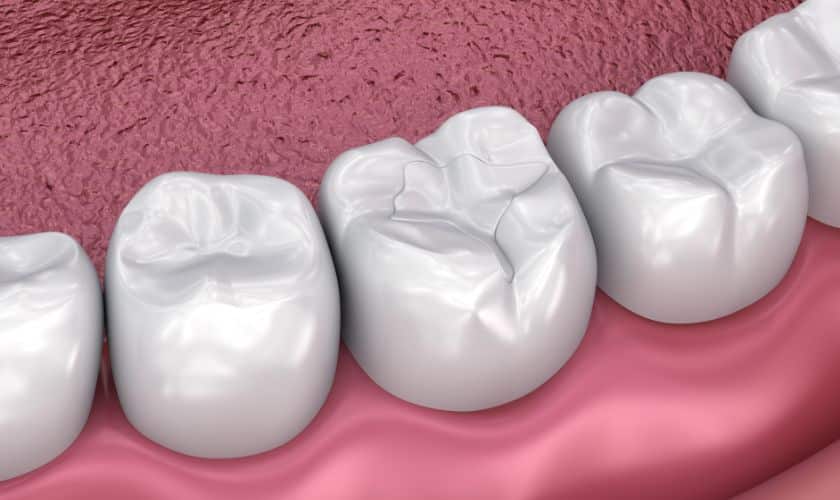
Dental health is a crucial aspect of our overall well-being. One of the most common dental procedures performed to protect teeth from further damage is the dental filling. Understanding the importance and process of dental fillings can help individuals appreciate this routine yet vital dental treatment. At Simon Dentistry, we are dedicated to providing comprehensive dental care, including high-quality dental fillings that ensure the longevity and health of your teeth.
What Are Dental Fillings?
Dental fillings are materials used to restore the function, integrity, and morphology of missing tooth structure. The structural loss typically results from caries or external trauma. Fillings help to fill the cavities or holes in your teeth, preventing further decay and damage. They can be made from various materials, including amalgam, composite resins, gold, and ceramics. Each material has its benefits, but all serve the primary purpose of restoring tooth structure and function.
The Importance of Dental Fillings
Dental fillings play a crucial role in maintaining dental health. Here are some key reasons why dental fillings are important:
- Prevention of Further Decay: Once a cavity forms, it creates an entry point for bacteria, which can lead to further decay and infection. A filling seals the cavity, preventing bacteria from entering and causing more damage.
- Restoring Tooth Function: Cavities can compromise the structural integrity of a tooth, making it difficult to chew or bite properly. Fillings restore the tooth’s shape and functionality, allowing you to eat comfortably.
- Aesthetic Improvements: Modern dental fillings, especially composite resins, can be matched to the color of your natural teeth, making them an aesthetic option for restoring a decayed tooth.
The Dental Filling Procedure
The process of getting a dental filling involves several steps to ensure the best outcome for our patients. Here’s a detailed look at what you can expect:
- Diagnosis and Treatment Planning: The first step is a thorough examination, which may include X-rays to determine the extent of decay and plan the appropriate treatment.
- Numbing the Area: Before the procedure begins, the dentist will numb the affected area to ensure you do not feel any discomfort during the filling process.
- Removing Decay: The dentist will then remove the decayed portion of the tooth using a drill or laser. This step is crucial to prevent further decay and infection.
- Cleaning the Cavity: After removing the decay, the cavity is cleaned to remove any debris and bacteria.
- Filling the Cavity: The chosen filling material is then applied to the cavity. Composite resin fillings are applied in layers, with each layer being hardened using a special light.
- Shaping and Polishing: Once the filling is in place, the dentist will shape it to match the natural contours of your tooth and ensure a comfortable bite. Finally, the filling is polished to prevent staining and wear.
Types of Dental Fillings
Variety of filling materials to suit different needs and preferences:
- Amalgam Fillings: Made from a mixture of metals, these fillings are durable and can withstand the forces of chewing. They are often used for back teeth.
- Composite Resins: These tooth-colored fillings are aesthetically pleasing and bond directly to the tooth structure, providing good durability and resistance to fracture in small-to-mid-sized restorations.
- Ceramic Fillings: Made from porcelain, these fillings are both durable and aesthetically pleasing, but they tend to be more expensive than other types.
- Gold Fillings: While not as common due to cost, gold fillings are very durable and can last a long time.
Benefits of Dental Fillings
Dental fillings offer numerous benefits, including:
- Protection Against Tooth Decay: Fillings seal cavities and prevent further decay, protecting the inner layers of your teeth.
- Restored Dental Function: They restore the natural function of your teeth, allowing you to chew and speak without discomfort.
- Improved Oral Health: By addressing cavities promptly, fillings help maintain overall oral health and prevent more serious dental issues.
- Long-lasting Solution: With proper care, dental fillings can last many years, providing a durable solution to tooth decay.
Maintaining Your Fillings
To ensure the longevity of your dental fillings, it’s important to follow good oral hygiene practices:
- Regular Brushing and Flossing: Brush your teeth at least twice a day and floss daily to remove plaque and prevent cavities.
- Routine Dental Check-ups: Visit regularly for check-ups and cleanings. Regular visits help monitor the condition of your fillings and detect any potential issues early.
- Healthy Diet: Avoid sugary foods and drinks that can contribute to tooth decay. Eating a balanced diet supports overall dental health.
- Avoid Hard Foods: Be cautious with hard foods that can crack or damage your fillings.
Dental fillings are a fundamental aspect of modern dentistry, providing a reliable solution to cavities and tooth decay. At Simon Dentistry, we emphasize the importance of early detection and treatment of dental issues to prevent further damage and ensure the long-term health of your teeth. Our team of dental professionals in Bowling Green is dedicated to helping you choose the right type of filling and maintaining good oral hygiene practices. By doing so, you can protect your teeth from further damage and enjoy a healthy, functional smile for years to come.