We offer 24-hour emergency services. Visit us for your urgent care needs.

5 Proven Ways to Speed Up Your Dental Implant Healing Process

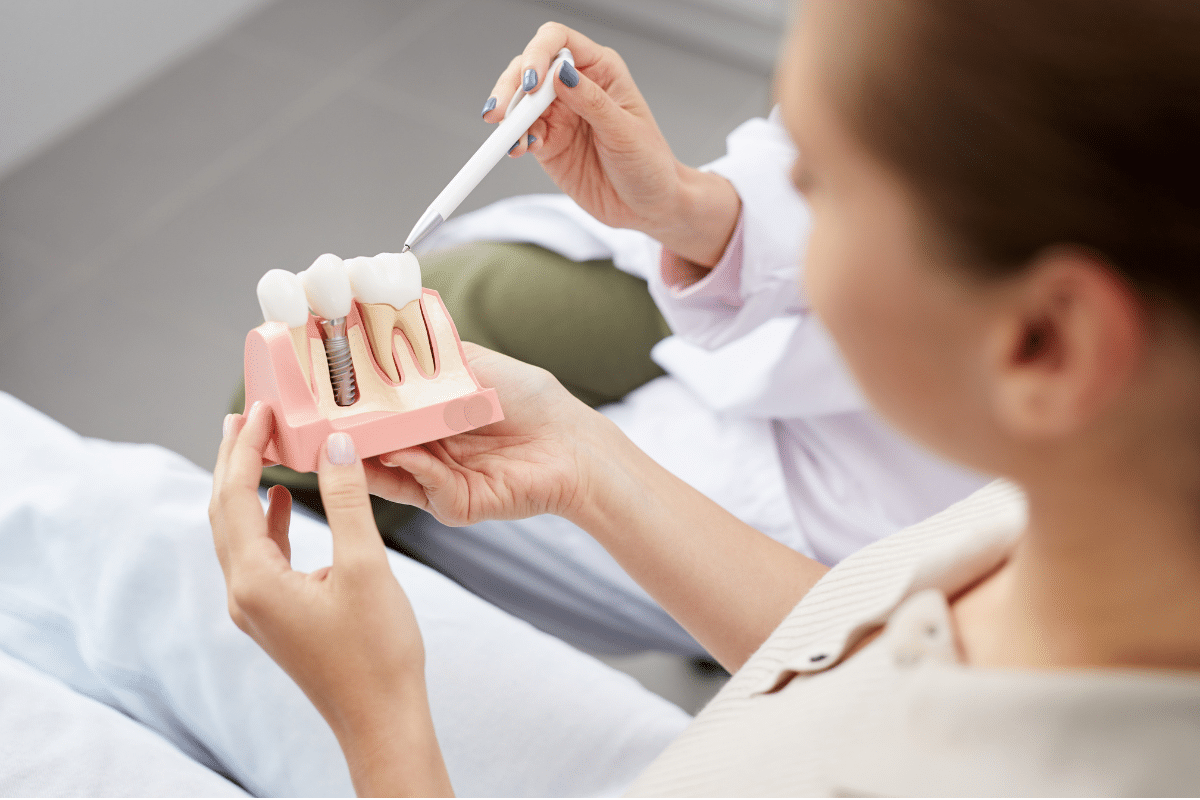
Dental implants are popular restorative options for improving your smile and oral function. However, the healing process after getting implants can vary widely from person to person. If you’ve recently had dental implants placed, you might be eager to speed up your recovery.
At Simon Dentistry in Bowling Green, we understand the importance of a smooth recovery, and we’re here to help guide you through the process. Fortunately, several strategies can help expedite the healing process. Read this blog to learn about a few tried-and-tested methods for recovering quickly after dental implant surgery.
Why Do Implant Sites Need Proper Healing?
Proper recovery of the surgery site is essential for the success of dental implants. Effective healing enables osseointegration, the process where bone naturally fuses with the implant, providing stability. Inadequate recovery can lead to complications like implant failure, infection, or bone loss, all of which threaten the long-term effectiveness of your implants and may require costly, uncomfortable interventions. Supporting a smooth healing process not only promotes oral health but also contributes to your overall well-being.
Now, let’s discuss the top strategies recommended by implant dentists for healing the surgery site.
1. Follow Post-Operative Instructions
After placing implant posts, your dentist will provide you with specific post-operative care instructions. These guidelines are crucial for your healing and recovery. Following the dentist’s advice closely can significantly impact how well you heal.
These instructions may include dietary restrictions, medication recommendations, and oral hygiene practices. For example, you might be advised to avoid hard foods or carbonated beverages for a certain period. If you have any questions about your care plan, don’t hesitate to reach out to your dental office.
Remember, ignoring post-operative instructions can lead to complications such as infections or even implant failure.
2. Maintain Good Oral Hygiene
Maintaining excellent oral hygiene is vital during the healing process. Brushing and flossing your teeth regularly is essential, but you must be gentle around the implant site. Keeping the area clean helps reduce the risk of infection and supports overall oral health.
Using a soft-bristled toothbrush can make a big difference in how you care for your soothing gums. Additionally, consider an antimicrobial mouthwash recommended by your dentist. Rinsing with warm salt water can also help promote healing and soothe any discomfort. This simple practice can keep the surgical site clean and free from harmful bacteria.
3. Eat a Balanced Diet
Your healing depends heavily on your food. What you eat can significantly impact how quickly you heal after surgery. Focus on consuming a balanced diet rich in vitamins, minerals, and nutrients that promote healing.
Lean meats, fish, dairy products, fruits, and vegetables should be your go-to options. Protein aids tissue repair, while vitamin C supports collagen formation, which is essential for healing.
Try to avoid hard, crunchy, or spicy foods that may irritate the surgical site. Soft foods like yogurt, smoothies, and soups can provide nutrition without causing discomfort. Staying hydrated is crucial for optimal recovery, so drink plenty of water throughout the day.
4. Get Plenty of Rest
Your body requires rest to heal effectively after surgery. Sleep is essential for recovery, as it allows your body to repair tissues and regenerate cells. Aim for at least seven to eight hours of quality sleep each night to support your healing process.
During the initial days after your dental implant surgery, try to rest as much as possible. Avoid strenuous activities and heavy lifting, as these can stress your body and impede healing. Gentle movements, such as light walking, can improve circulation without putting unnecessary strain on your body.
Listen to your body; if you’re tired, give yourself a break. Taking short naps during the day can also be beneficial. Remember, healing takes time, so don’t rush back into your usual routine too quickly. Being patient with yourself during this time will pay off in the long run.
5. Consider Supplements
Certain supplements can also help in your recovery after dental implant surgery. Vitamins and minerals are significant in healing, particularly vitamin C, vitamin D, and calcium. These nutrients support tissue repair and bone health, which are essential for the success of your implants.
In addition to vitamins, consider including supplements like omega-3 fatty acids. Omega-3s have anti-inflammatory properties that can help reduce swelling and promote healing.
Before starting any new supplements, consult your dentist or healthcare provider. They can recommend appropriate dosages and ensure that any supplements won’t interfere with your medications or overall health. Supplements can be beneficial, but they should not substitute for a healthy diet.
Achieving a Smooth Recovery After Your Dental Implant Surgery
Remember that every person heals at their own pace. Be patient and give your body the time it needs to recover fully after an implant surgery. With the right approach and a commitment to your health, you’ll be well on your way to a beautiful, functional smile.
For optimal results, you can consult with our restorative dentist in Bowling Green for personalized advice tailored to your unique situation. This will help you experience a smooth recovery journey and enjoy the lasting benefits of dental implants.