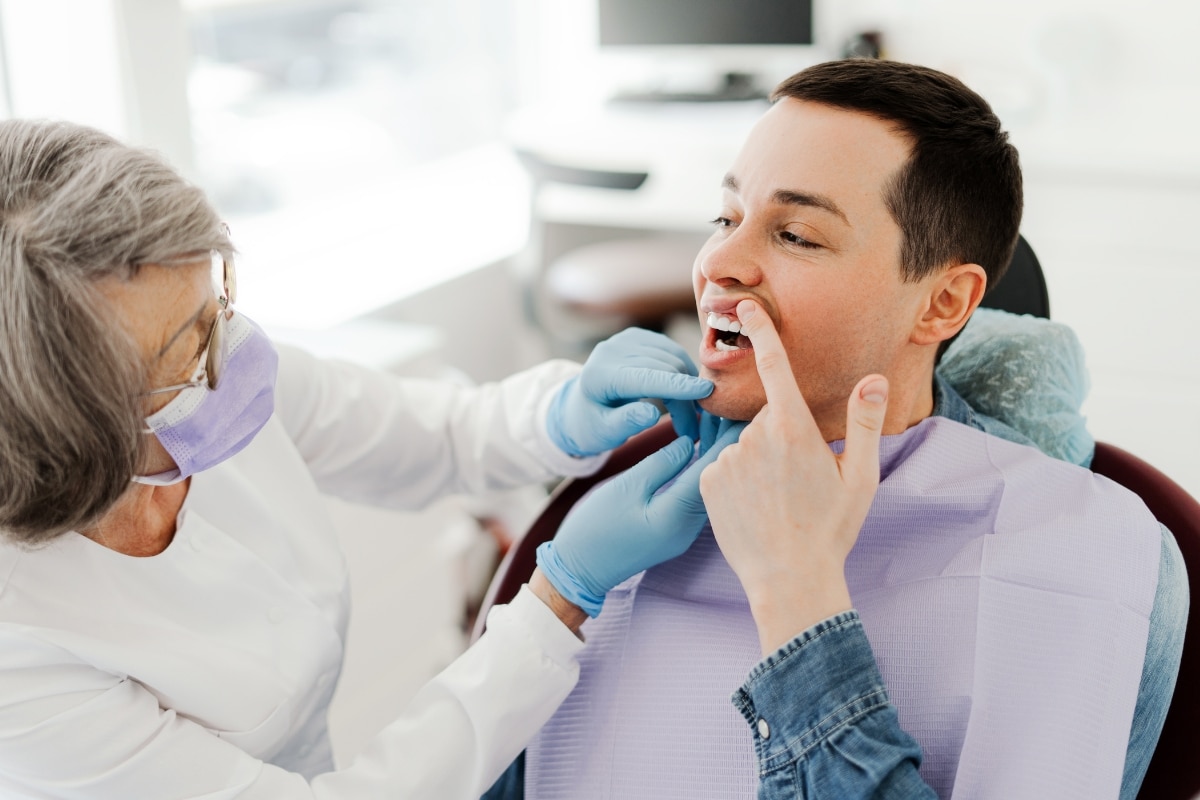
We offer 24-hour emergency services. Visit us for your urgent care needs.

No Insurance? Here’s How to Handle a Dental Emergency in Bowling Green


A toothache that wakes you up at 2 a.m. doesn’t care whether you have dental insurance. Neither does a cracked tooth or a lost filling. If you’re living in Bowling Green, KY, and you find yourself in that kind of pain without coverage, it can feel like you’re out of options. You’re not.
This guide walks you through exactly what to do when a dental emergency hits and you don’t have insurance. Step by step. No fluff.
What Counts as a Dental Emergency?
Not every mouth problem needs same-day care. But some do. Here’s how to tell the difference.
You likely have a dental emergency if you’re dealing with:
- A broken or knocked-out tooth
- Severe, ongoing tooth pain
- A swollen jaw or face
- An abscess (a painful infection that can spread)
- Heavy bleeding in your mouth
These situations need attention from a dentist as soon as possible. Waiting can make things worse and cost you more in the long run. According to the American Dental Association, untreated infections can spread to other parts of the body and become life-threatening.
Step 1: Don’t Panic. Manage the Pain First.
Before you call anyone, get the pain under control. Here’s what’s safe to do at home while you figure out your next move:
For pain and swelling: Over-the-counter ibuprofen (like Advil) works better than acetaminophen for dental pain because it also reduces swelling. Follow the dosage on the label.
For a knocked-out tooth: Pick it up by the crown (the white part), not the root. Rinse it gently with water and try to place it back in the socket. If that’s not possible, store it in a small container of milk. Time matters — you have about 30 to 60 minutes to save the tooth.
For a cracked tooth: Rinse your mouth with warm salt water. Avoid chewing on that side.
For an abscess: Do not pop it. Rinse with warm salt water to ease the pain. See a dentist right away because this is an infection.
Step 2: Call a Local Dental Office Directly
This is where many people make mistakes. They assume they can’t afford care without insurance, so they don’t call. That’s not always true.
When you contact a local dental office, tell them:
- What your emergency is
- That you don’t have insurance
- That you need to know about payment options
Many offices, including Simon Dentistry in Bowling Green, KY, offer payment plans or can point you to programs that help cover the cost. Most dentists want to help people in pain — that’s why they went into this field.
Step 3: Know Your Payment Options
No insurance doesn’t mean no options. Here’s what you can explore:
In-house dental plans: Some offices offer membership plans where you pay a flat monthly or yearly fee in exchange for discounted care. Ask Simon Dentistry if they have anything like this.
CareCredit: This is a healthcare credit card with promotional financing options. Many dental offices accept it. You apply online and can often get a decision quickly.
Community health centers: Federally Qualified Health Centers (FQHCs) offer dental services on a sliding scale based on your income. You can find one near you through the HRSA Health Center Finder.
State programs: Kentucky has programs through Medicaid for low-income adults. If you qualify, coverage may include emergency dental services. Visit Kentucky Medicaid to check your eligibility.
Dental schools: University of Louisville’s School of Dentistry, for example, offers reduced-cost care performed by supervised students. It takes longer, but it’s legitimate care at a lower price.
Step 4: Prevent the Next Emergency
Once the crisis is over, it’s worth thinking about how to avoid ending up here again. Prevention is always cheaper than treatment.
Brush twice a day. Floss once a day. Drink water with fluoride. Wear a mouthguard if you play contact sports. And see a dentist for a checkup at least once a year, even if it feels like an expense you can skip.
Regular visits catch small problems before they become emergencies. A filling today costs far less than a root canal next year.
The Centers for Disease Control and Prevention reports that adults who skip routine dental care are more likely to end up in emergency rooms for dental pain — a visit that costs much more and often doesn’t fully fix the problem.
FAQs: Dental Emergencies Without Insurance in Bowling Green
Q: What do I do if I have a dental emergency at night or on the weekend?
Call your dental office first — many have after-hours lines or can direct you to emergency care. If you’re in severe pain or have facial swelling, go to an urgent care clinic or emergency room to manage the infection while you wait to see a dentist.
Q: Will the ER treat a dental emergency?
ERs can treat pain and infections with medication, but they can’t fix dental problems. You’ll still need to see a dentist for the actual repair. ER bills without insurance are also very high, so use this as a last resort for serious infections only.
Q: How much does emergency dental care cost without insurance?
It varies. A simple extraction may run $100 to $250. A root canal can cost $700 to $1,500 or more. Ask for a cost estimate before agreeing to treatment, and ask about payment plans.
Q: Can I get emergency dental care for free in Bowling Green?
Free care is rare, but sliding-scale options exist. Community health centers and dental schools offer reduced-cost care. Some nonprofits also organize free dental clinic days — check local community boards for upcoming events.
Q: Is a toothache always a dental emergency?
Not always, but don’t ignore it. Mild pain that comes and goes might wait a day or two. Severe, constant pain, swelling, or fever means you need to be seen right away.
Q: What if I can’t afford even an emergency dental visit?
Talk to the office before you assume you can’t afford it. Many practices will work with you. Payment plans, discounts for paying in cash, or a referral to a lower-cost provider are all possibilities.
Q: Can a dental infection go away on its own?
No. A dental abscess needs professional treatment. Antibiotics can control the spread temporarily, but the source of the infection must be treated by a dentist. Leaving it untreated is dangerous.
Conclusion: You Have Options — Use Them
A dental emergency without insurance is stressful. But you’re not stuck. Start with pain management, then pick up the phone. When you contact a local dental office like Simon Dentistry in Bowling Green, KY, you may find more flexibility than you expected.
The team at Simon Dentistry understands that not everyone has coverage, and they’re here to help you find a way forward. Don’t let cost fears stop you from getting care you need.
Ready to get help? Call Simon Dentistry today to schedule a consultation and find out what your options are — insurance or not. Your health is worth the call.