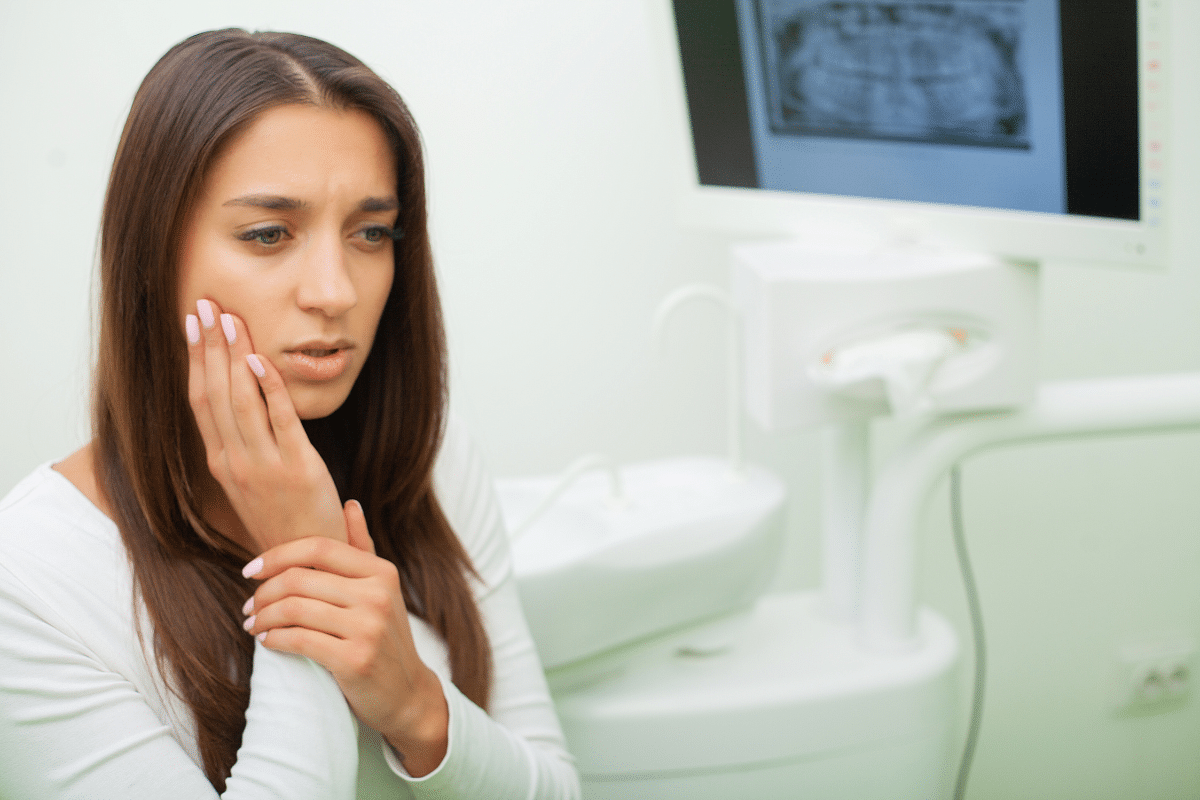
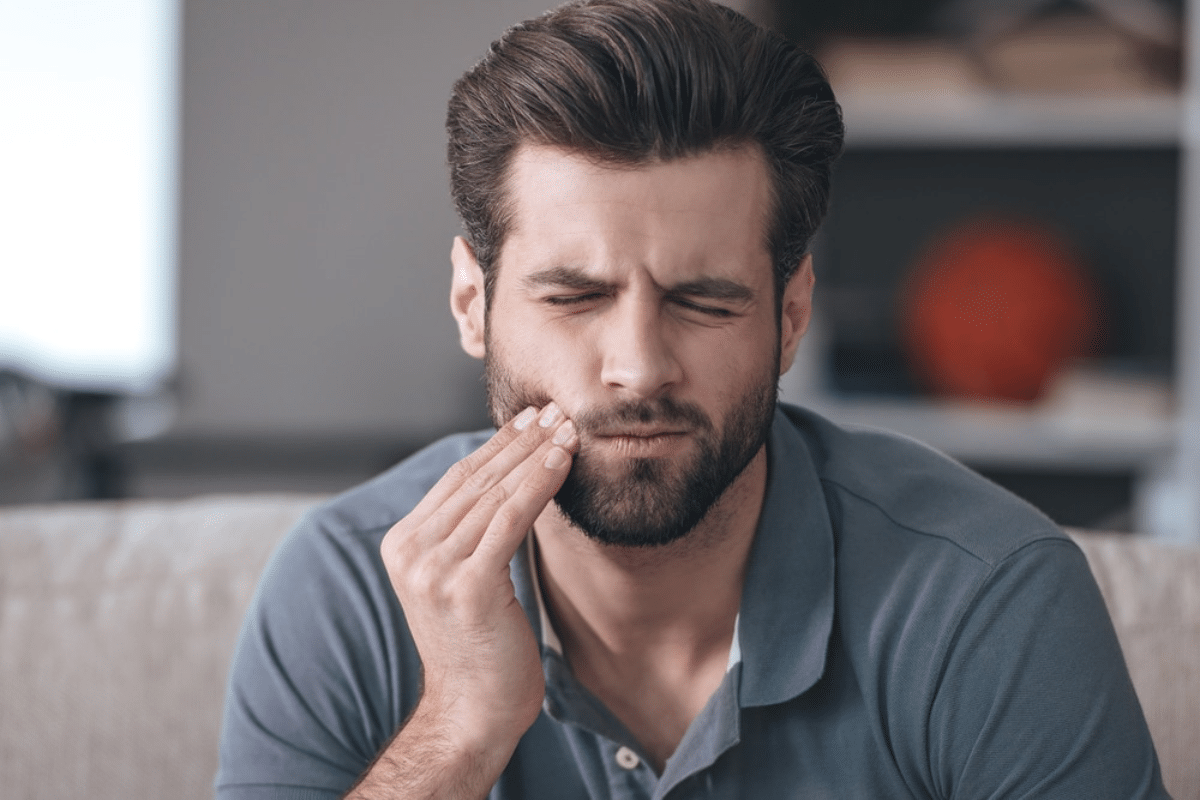
We offer 24-hour emergency services. Visit us for your urgent care needs.

When You Need to See a Same-Day Dentist: Know the Signs and Act

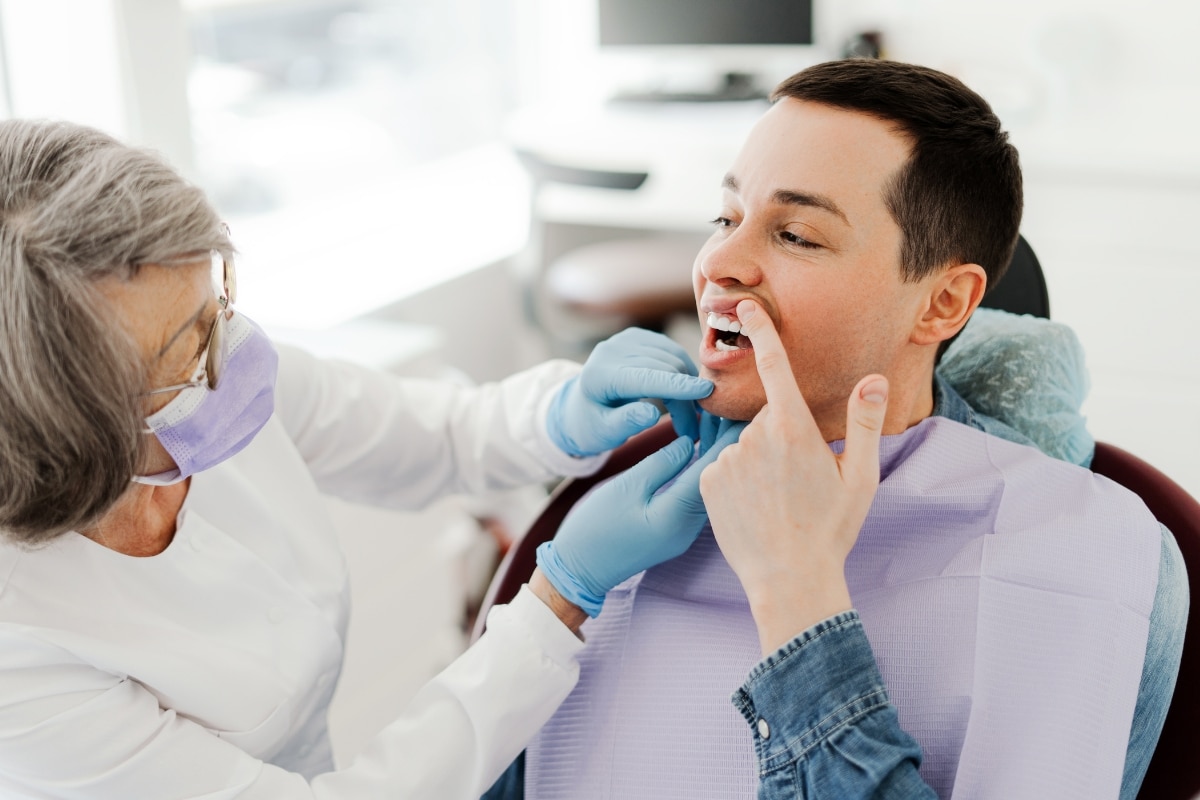
A dental emergency does not wait for a convenient time. It can happen on a Sunday evening, mid-workday, or right before a big meeting. Knowing when to act fast, and where to go, can save a tooth, stop serious infection, and cut down on long-term treatment costs. At Simon Dentistry in Bowling Green, KY, the team sees patients in real pain who waited too long because they were unsure if their problem counted as a true emergency. This guide helps you remove that doubt.
If you or someone in your care is already searching for an emergency dentist in Bowling Green, this post will tell you exactly what signs to watch for, what steps to take, and when waiting is not an option.
What Counts as a Dental Emergency?
Not every tooth ache needs same-day care. But some situations do. Here are the key signs that you need to act right away:
• Severe, throbbing tooth pain that does not go away with over-the-counter medicine
• A knocked-out or broken tooth from an accident or fall
• A swollen jaw, gum, or face (this can mean a serious infection)
• Bleeding from the mouth that will not stop
• A loose adult tooth with no clear cause
• A dental crown or filling that has come off and left the tooth exposed
These are not problems to sleep off. Left untreated, a dental infection can spread to the jaw, neck, and even the brain. A knocked-out tooth has the best chance of being saved within one hour. Time matters.
Signs People Often Ignore (But Should Not)
Many patients come in after days of quiet pain that they brushed off as a minor issue. The signs below are easy to ignore but often mean something more serious is going on:
Dull Pain That Keeps Coming Back
If you feel a recurring ache in one area of your mouth, it often points to an abscess or a cracked tooth root. Pain that fades and returns is not a sign the problem is healing. It may mean the condition is getting worse below the surface.
Sensitivity That Will Not Quit
Brief sensitivity to hot or cold is common. But if the pain stays for more than 30 seconds after the trigger is gone, it can mean the nerve inside the tooth is damaged. This needs prompt attention.
A Bad Taste or Bad Smell From Your Mouth
This is a classic sign of an abscess or infection draining in your mouth. Even if the pain has eased, an active infection still needs treatment. Do not mistake reduced pain for recovery.
What to Do While You Wait for Your Appointment
Once you call Simon Dentistry or any local dental office in Bowling Green, here are some steps to manage your condition before you get there:
• For a knocked-out tooth: Handle it by the crown (not the root), rinse it gently with water, and try to place it back in the socket or keep it in milk. Reach the dentist within 60 minutes.
• For a lost crown: Use dental cement from a pharmacy to cover the tooth. Avoid chewing on that side.
• For swelling: Apply a cold pack to the outside of your cheek in 20-minute intervals.
• For bleeding: Use clean gauze and apply gentle pressure. If it does not stop in 15 minutes, go to urgent care.
These steps do not replace professional care. They only help reduce damage until your dentist can treat you properly.
Frequently Asked Questions (FAQs)
1. How do I know if my tooth pain is a real emergency?
If your pain is intense, constant, or comes with swelling, fever, or bleeding, it is a real emergency. Do not wait. Call a dental office right away to describe your symptoms and get guidance.
2. Can I go to an emergency room for a dental problem?
Yes, if you have severe swelling of the face or jaw, trouble breathing or swallowing, or a high fever with mouth pain, go to the ER first. Emergency rooms can treat infection and manage pain, but they cannot fix the tooth itself. You will still need to see a dentist for the full repair.
3. What should I do if my child knocks out a baby tooth?
Do not try to put a baby tooth back in the socket. Baby teeth are not replanted because it can harm the adult tooth developing underneath. Clean the area gently and call your dentist to check the gum for injury.
4. Is a chipped tooth a dental emergency?
A small chip without pain may wait a day or two. But if the chip is large, sharp, or causing pain, or if it has exposed the inner part of the tooth, call your dentist the same day. Exposed pulp can become infected very fast.
5. How long can I wait to see a dentist for a toothache?
If your pain is manageable and there is no swelling or fever, you can wait 24 to 48 hours. But do not delay beyond that. A minor infection can become serious in a short amount of time, especially in children and older adults.
6. What does a dental abscess look like?
A dental abscess usually appears as a swollen, red, and tender bump on the gum near the painful tooth. It may look like a small pimple. It can also cause facial swelling, fever, and a foul taste in the mouth. This needs same-day care.
7. Does Simon Dentistry take walk-in patients for dental emergencies?
Simon Dentistry in Bowling Green, KY makes every effort to see emergency patients the same day. It is always best to call ahead so the team can prepare for your visit and reduce your wait time.
Final Thoughts: Do Not Wait When Pain Is Telling You Something
Dental emergencies are stressful. But acting fast is always the right choice. Whether it is a knocked-out tooth, an abscess, or pain that has gone on too long, getting to a dentist the same day can prevent bigger problems down the line.
If you are in the Bowling Green area and need care today, do not hesitate to contact a local dental office like Simon Dentistry. The team is ready to help you through the pain with honest, no-rush care. You do not have to figure this out alone.
To book your visit or ask about same-day availability, schedule a consultation with Simon Dentistry today. Your comfort and dental health are worth acting on right now. An emergency dentist at Bowling Green should be your first call, not your last resort.
Simon Dentistry | Bowling Green, KY
This post is for informational purposes only and does not replace professional dental advice. Please consult a licensed dentist for diagnosis and treatment.