We offer 24-hour emergency services. Visit us for your urgent care needs.

Step-by-Step: The Dental Crown Procedure Explained

When a patient walks in asking about restoring a damaged tooth, one of the most common solutions a clinician reaches for is a dental crown. For dental professionals practicing in communities across Kentucky, including those offering dental crown in Bowling Green, understanding the full arc of this procedure, from first exam to final placement, is what separates a good outcome from a great one. This post walks through each phase clearly, so you can educate your team, set accurate patient expectations, and deliver consistent clinical results.
Whether you are a general dentist, an oral surgeon, or a dental hygienist building patient trust, this guide gives you the clinical and communication tools you need, all in one place.
What Is a Dental Crown, and When Is It Needed?
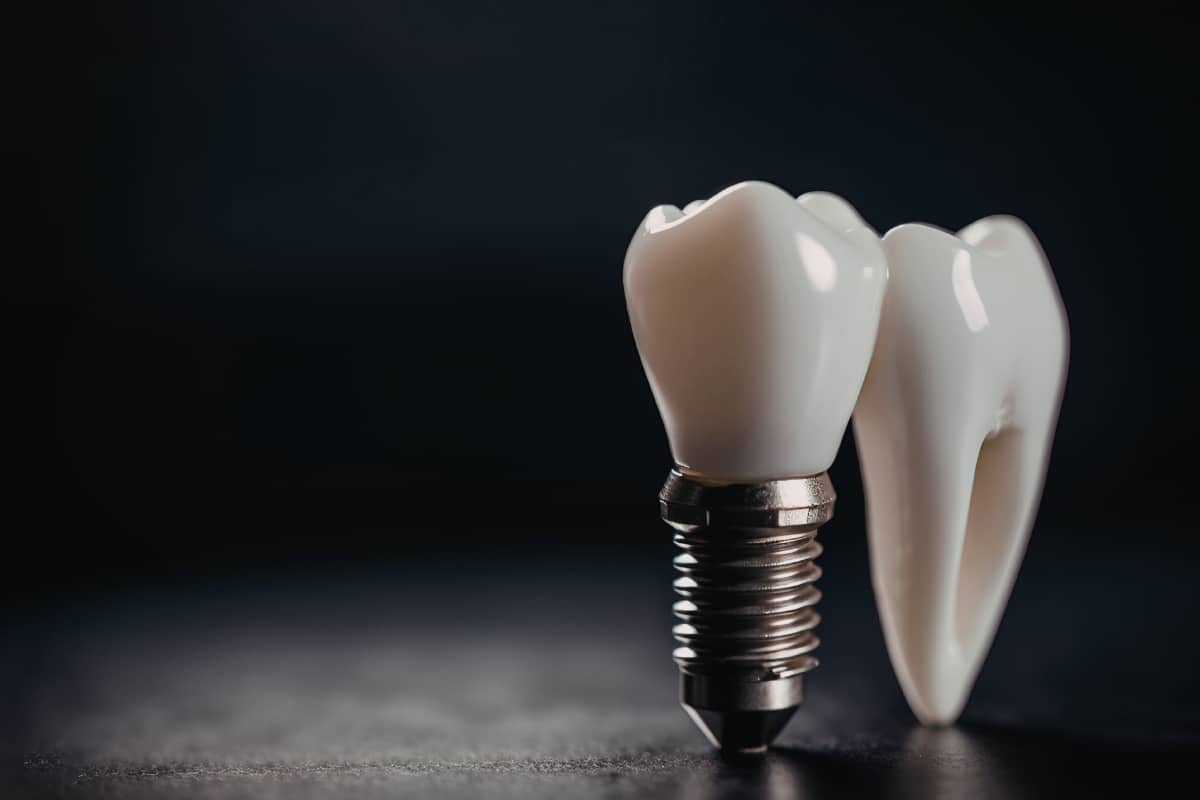
A dental crown is a tooth-shaped cap that fits over a damaged tooth. It restores the tooth’s shape, size, and strength. It also protects what remains of the natural tooth underneath.
Common clinical indications include:
• A tooth with a large cavity that cannot support a filling
• A cracked or fractured tooth at risk of splitting further
• A tooth that has had root canal treatment and needs structural support
• A worn-down tooth due to bruxism or acid erosion
• An implant that needs a visible crown placed on top
Proper case selection is critical. Placing a crown on a tooth that does not need one, or skipping one when it does, leads to complications. The American Dental Association (ADA) offers clear clinical guidelines on when crown placement is appropriate, and reviewing them periodically keeps your decision-making sharp.
The Dental Crown Procedure: A Step-by-Step Breakdown
Step 1 – Initial Examination and Treatment Planning
Start with a thorough clinical exam. Take full periapical X-rays to assess bone levels, root integrity, and the extent of decay or damage. Review the patient’s periodontal health before committing to any restorative work.
Talk to your patient clearly. Explain why a crown is the right choice, what the procedure involves, and what to expect at each visit. This step alone reduces anxiety and improves case acceptance.
Step 2 – Tooth Preparation
Tooth preparation is where precision matters most. The tooth is reduced on all surfaces to create room for the crown material. The amount removed depends on the type of crown being placed, whether porcelain-fused-to-metal, full zirconia, or all-ceramic.
Use a rubber dam when possible. Shape a clear margin, whether a chamfer or shoulder preparation, to give the lab a clean, readable finish line. Poor margins are the leading cause of crown failure.
Step 3 – Impressions or Digital Scanning
After preparation, take an accurate impression. Many practices have moved to digital scanning using intraoral scanners. This approach reduces patient discomfort and gives labs a more precise model to work from. According to the Journal of Prosthodontic Research, digital impressions consistently show improved marginal accuracy compared to traditional polyvinyl siloxane (PVS) impressions in controlled studies.
While the final crown is being fabricated, place a well-fitting temporary crown. A poorly adapted temporary causes sensitivity, gingival inflammation, and shifts in tooth position, all of which complicate the final seating.
Step 4 – Crown Fabrication at the Lab
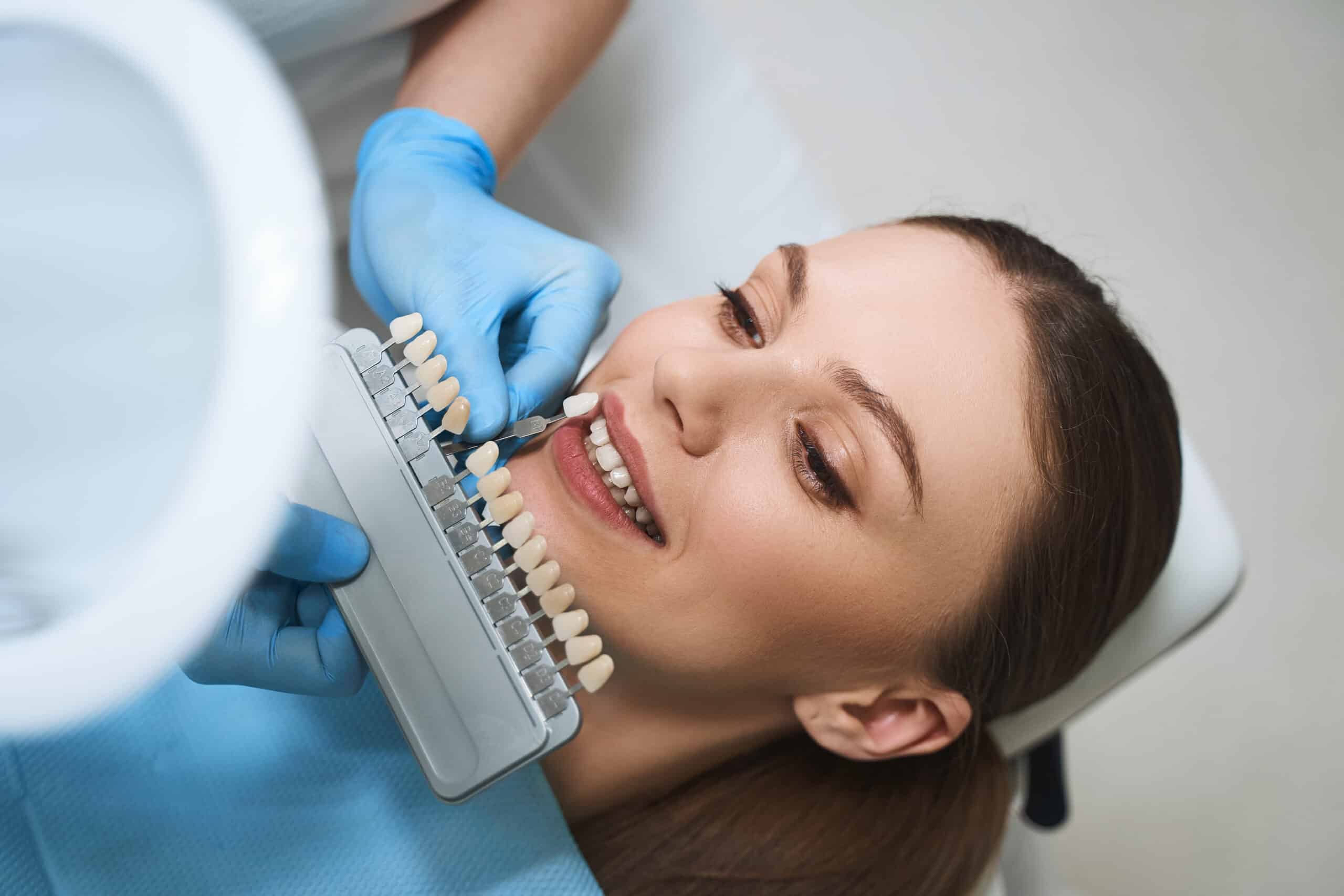
Your lab relationship matters here. Share clear shade information using a reliable shade guide under natural light. Include notes on adjacent tooth characteristics, surface texture, and translucency if matching an esthetic zone tooth.
Turnaround time typically runs seven to ten business days for traditional lab work. Same-day crowns using in-office CAD/CAM milling are also an option for practices with the equipment.
Step 5 – Final Cementation
Before cementing, try the crown in carefully. Check contacts, margins, and occlusion. Ask the patient to bite on articulating paper and verify even contacts in centric occlusion and smooth lateral excursions.
Choose your cement based on the crown material and clinical situation. Resin cement offers strong retention for all-ceramic crowns. Resin-modified glass ionomer works well for posterior metal-based restorations. Remove all excess cement carefully, especially subgingivally.
Take a final periapical X-ray to confirm full seating and margin integrity. Document everything clearly in the chart.
Crown Materials: Choosing What Fits the Case
Each material has its strengths. Here is a quick clinical guide:
• Zirconia: High strength, excellent for posterior crowns, minimal prep. A top choice today.
• Porcelain-fused-to-metal (PFM): Good esthetics with metal support. Useful when strength and appearance both matter.
• All-ceramic (e-max): Best esthetics for anterior restorations. Requires careful patient selection.
• Gold alloy: Exceptional longevity and minimal tooth reduction. Still a strong option for second molars.
For more detail on material properties and clinical recommendations, the Journal of Dental Research publishes ongoing peer-reviewed studies on crown material performance that are worth bookmarking.
Post-Placement Care and Patient Instructions
After crown placement, give patients written and verbal care instructions. Include these key points:
• Avoid sticky or very hard foods for 24 hours after cementation
• Some sensitivity is normal for a few days, especially to temperature
• Maintain standard brushing twice daily and floss carefully around the crown margin
• Use a night guard if there is any sign of bruxism
• Return immediately if the bite feels uneven or the crown feels loose
Follow-up at the next routine exam to verify gingival health around the crown margin and check for any occlusal changes.
Frequently Asked Questions (FAQs)
1. How long does a dental crown procedure take?
Most crown procedures require two visits spaced one to two weeks apart. Each visit runs about 60 to 90 minutes. Same-day CAD/CAM crowns can be completed in a single two-hour appointment.
2. Is getting a dental crown painful?
With proper local anesthesia, patients feel no pain during the procedure. Post-op sensitivity, especially to cold, is common for a few days but typically resolves on its own.
3. How long do dental crowns last?
With good oral hygiene and proper occlusal management, crowns can last 10 to 15 years or more. Zirconia and gold crowns tend to outlast all-ceramic options in high-stress areas.
4. Can a crown be placed on any tooth?
Not always. The tooth must have enough healthy root structure and bone support to anchor a crown. Severely compromised teeth may need extraction and implant placement instead.
5. What happens if a crown falls off?
The patient should keep the crown safe and call the office promptly. The clinician evaluates why the crown came off, checks the underlying tooth, and re-cements or replaces the crown depending on the findings.
6. Is a dental crown covered by insurance?
Most dental insurance plans cover a portion of crown costs when there is clear clinical necessity. Coverage varies by plan. Patients benefit from a pre-authorization before treatment begins.
7. What is the difference between a crown and a cap?
There is no clinical difference. “Cap” is a common patient-facing term. Both refer to the same restoration: a full coverage cap placed over a prepared tooth.
Conclusion: Reliable Crown Care Starts with the Right Team
The dental crown procedure is one of the most performed restorative treatments in dentistry, and for good reason. Done well, it reliably restores function, protects teeth, and gives patients lasting results. For anyone seeking quality dental crown in Bowling Green, the team at Simon Dentistry brings precision, clear communication, and genuine care to every case.
If you are a patient looking to restore a damaged tooth, or a clinician wanting to learn more about restorative options in the area, take the first step today. Schedule a consultation with Simon Dentistry to discuss your specific needs. You can also contact a local dental office in Bowling Green, KY, to get started. Your healthiest smile is one appointment away.