We offer 24-hour emergency services. Visit us for your urgent care needs.

Your First 72 Hours After Dental Implant Surgery: Complete Guide

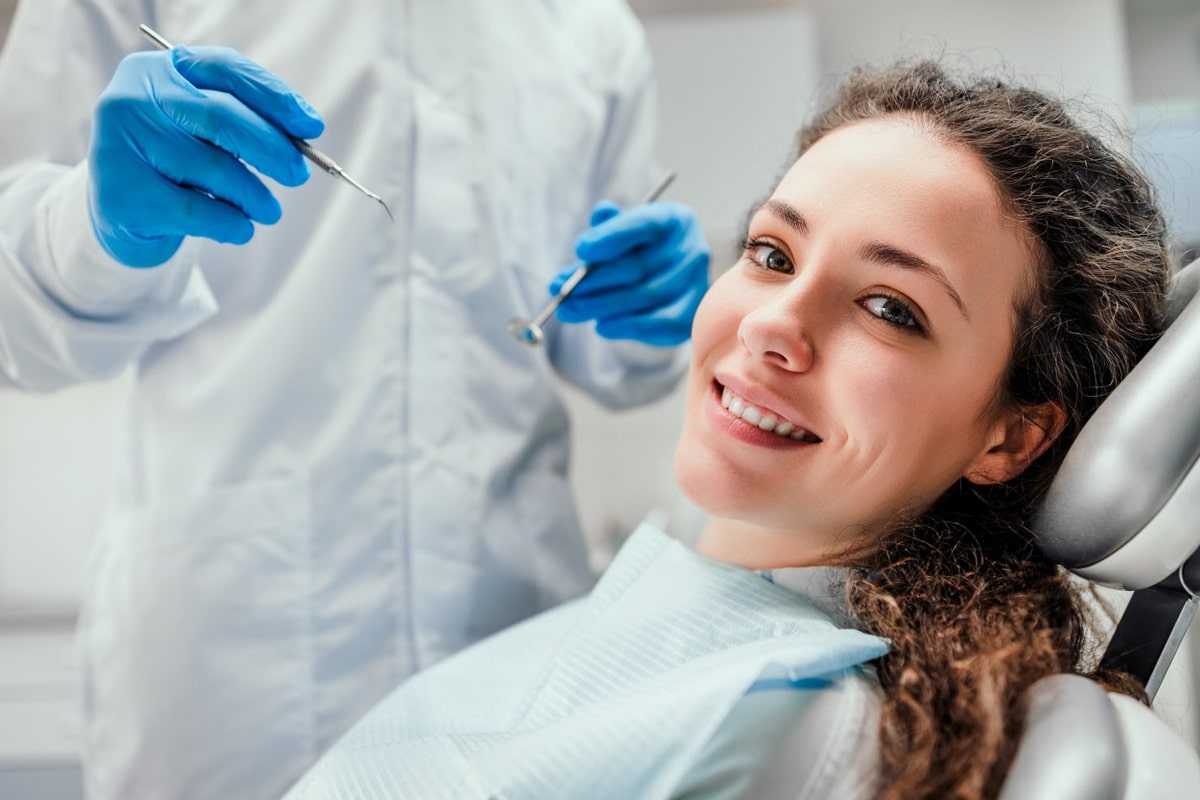
The implant is placed. The patient is in the chair, gauze in mouth, eyes wide with questions. What they do in the next 72 hours will shape how well they heal. As a dental or healthcare professional, giving clear post-op guidance is just as important as the surgery itself.
This guide walks through every critical stage of the first three days after dental implant surgery. Use it to sharpen your patient education, support your clinical team, and reduce avoidable complications.
Why the First 72 Hours Matter Most
Osseointegration, the process where the implant fuses with the jawbone, begins almost immediately after placement. Any disruption during this early window can slow healing or cause early implant failure.
The first three days are when bleeding is most likely, swelling peaks, and patients are most tempted to do the wrong thing, like rinsing hard, eating something crunchy, or skipping medication. Your instructions need to be direct, simple, and easy to follow.
According to the American Academy of Implant Dentistry, patient compliance with post-surgical instructions is one of the strongest predictors of long-term implant success. This is not a small detail.
Hour-by-Hour Breakdown: Days 1 to 3
The First 24 Hours: Control and Rest
This is the most sensitive phase. Here is what every patient needs to know:
• Bleeding: Light bleeding is normal. Keep gauze on the site with firm pressure for 30 to 45 minutes. Replace as needed. If bleeding does not slow, use a moistened tea bag, the tannic acid helps clot form.
• Swelling: Apply an ice pack for 20 minutes on, 20 minutes off. Do this consistently for the first 18 to 24 hours. Swelling peaks at 48 to 72 hours, so patients should not panic if it gets worse on day two.
• Diet: Soft foods only. Yogurt, mashed potatoes, soup (not hot), smoothies. Nothing hard, crunchy, chewy, or sticky. Nothing through a straw.
• Medication: Take prescribed pain relief and antibiotics on schedule. Do not wait for pain to start before taking analgesics.
• Rest: Head elevated. No strenuous activity. Physical exertion raises blood pressure and can restart bleeding.
Hours 24 to 48: Swelling Peaks
Day two is often the most uncomfortable. Reassure patients in advance that this is normal. Swelling, bruising around the jaw or cheek, and mild soreness are all expected.
Switch from ice to warm compresses after the first 24 hours. Warm heat encourages blood flow and helps swelling resolve faster. Oral hygiene can resume gently: soft toothbrush away from the surgical site, and a light saltwater rinse (half a teaspoon of salt in warm water) starting day two.
• No rinsing hard or spitting forcefully
• No smoking or vaping under any condition during this period
• No alcohol, as it interferes with healing and medication
Hours 48 to 72: Early Recovery Begins
By the third day, most patients notice real improvement. Swelling starts to reduce. Pain becomes more manageable. Appetite returns. This is also when clinicians can remind patients that the implant process is progressing well. Practices offering restorative care, including dental crown in Bowling Green, typically begin discussing the crown placement phase once osseointegration is confirmed, which happens weeks later.
Encourage patients to continue soft foods through day three. Hard foods too soon can apply pressure to the implant site before the bone has begun to stabilize.
Warning Signs That Need Immediate Attention
Train your front desk and clinical staff to screen calls from post-op patients carefully. These signs require same-day evaluation:
• Heavy bleeding that does not respond to pressure after 45 minutes
• Fever above 101 degrees Fahrenheit
• Severe pain that is not controlled by prescribed medication
• Pus or unusual discharge from the implant site
• The implant feels loose or has visibly shifted
Early-stage peri-implantitis, if caught quickly, is treatable. Delayed response makes it significantly harder to manage. The Journal of Clinical Periodontology has published strong evidence linking early intervention to better long-term implant survival rates.
What Clinicians Often Miss: Communication Gaps
Most post-op failures are not clinical. They are communication failures. Patients forget verbal instructions within hours of leaving the office. Written instructions, reviewed out loud with a team member before discharge, dramatically improve compliance.
Consider a 48-hour check-in call from your practice. A two-minute call on day two tells the patient they are cared for, flags problems early, and builds trust that turns into long-term retention.
The Journal of Oral Implantology highlights that structured post-operative follow-up, including phone check-ins, is associated with lower complication rates and higher patient satisfaction scores.
Frequently Asked Questions (FAQs)
1. How much pain is normal after dental implant surgery?
Mild to moderate soreness for two to four days is normal. Pain that worsens after day three, or that does not respond to prescribed medication, needs clinical evaluation.
2. When can a patient eat normally again?
Soft foods for the first week is the standard recommendation. Most patients can gradually return to a normal diet by days seven to ten, depending on healing.
3. Is swelling on day two worse than day one?
Yes, and this is expected. Swelling typically peaks at 48 to 72 hours. Patients should be told this before they leave the office so they are not alarmed.
4. Can the patient brush their teeth after surgery?
Yes, gently. Avoid the surgical site for the first 24 hours. From day two, use a soft brush and light pressure around the area. A saltwater rinse can begin on day two.
5. When does the implant crown get placed?
Crown placement happens after osseointegration, which typically takes three to six months. The timeline varies based on bone density, implant location, and patient health.
6. Can smoking affect implant healing?
Yes, significantly. Smoking reduces blood flow to the surgical site and increases the risk of infection and implant failure. Patients should avoid smoking for at least two weeks post-surgery, ideally longer.
7. What should a patient do if the implant feels loose?
Call the office immediately. A loose implant in the first 72 hours is a clinical concern that needs same-day assessment. Do not wait to see if it settles on its own.
Conclusion: Strong Starts Lead to Lasting Results
The 72 hours after implant surgery are not a waiting period. They are an active part of the treatment. How a patient manages pain, swelling, diet, and oral hygiene in those first three days directly shapes their long-term outcome.
For patients in Kentucky who are also planning restorative work, including getting a dental crown at Bowling Green practices like Simon Dentistry, understanding the full implant timeline, from surgery through crown placement, helps them make better, more confident decisions about their care.
If you are a patient wondering about next steps after implant surgery, or a clinician looking to refine your post-op protocols, do not wait. Schedule a consultation with Simon Dentistry in Bowling Green, KY, to get expert guidance tailored to your situation. You can also contact a local dental office to ask questions and get the support you need before, during, and after your implant journey.
Simon Dentistry | Bowling Green, KY, USA
Disclaimer: This content is for informational and educational purposes for healthcare professionals. It does not constitute clinical advice.