We offer 24-hour emergency services. Visit us for your urgent care needs.

Why a Dental Crown Can Be the Right Solution for a Damaged Tooth

By Simon Dentistry | September 9, 2026
A damaged tooth can affect your comfort, bite, and confidence. A crack, large cavity, or severely worn tooth may become difficult to use and more likely to suffer additional damage. Although small areas of damage can often be repaired with a filling, a tooth with significant structural weakness may need stronger support. A dental crown can cover and protect the tooth while restoring its shape, strength, appearance, and function.
Many people start searching for a dental crown in Bowling Green after experiencing sudden tooth pain or a broken tooth. However, damage is not always obvious. During a routine dental exam, your dentist may spot signs of weakness before they develop into a more serious problem. Treating the tooth at the right time may help preserve more of its natural structure.
What Is a Dental Crown?
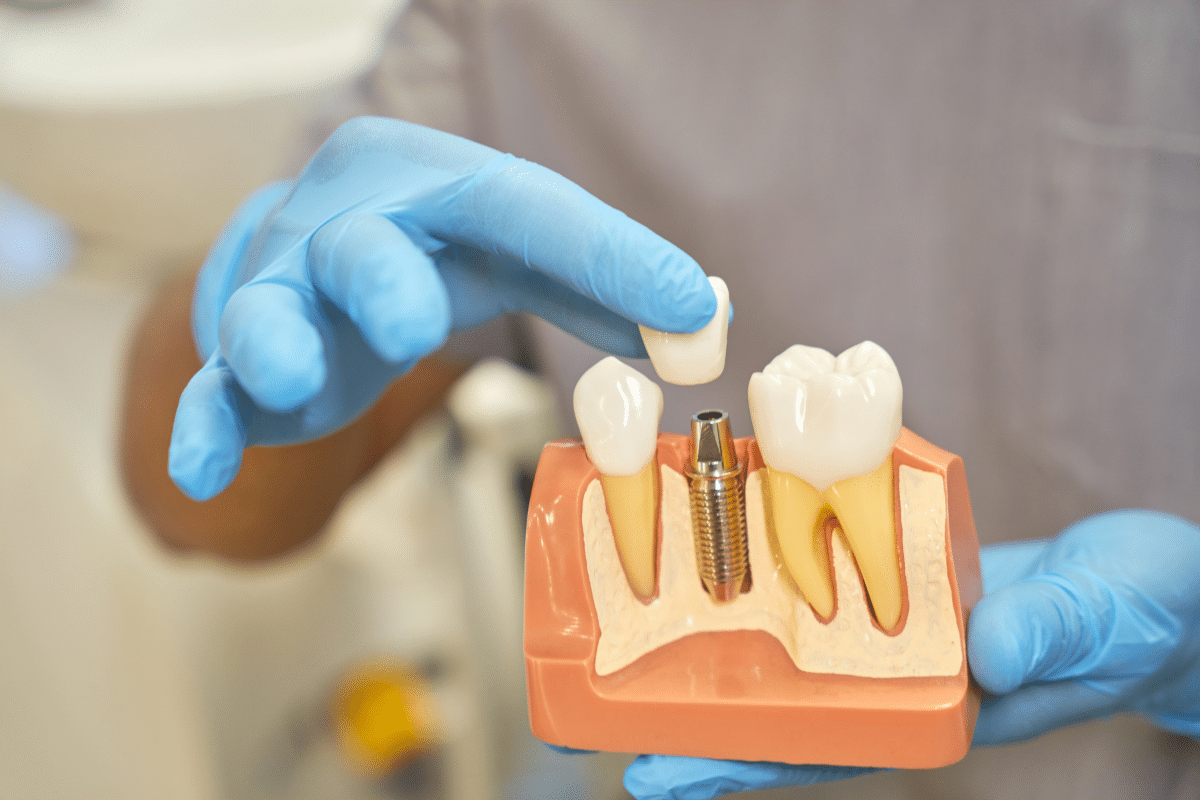
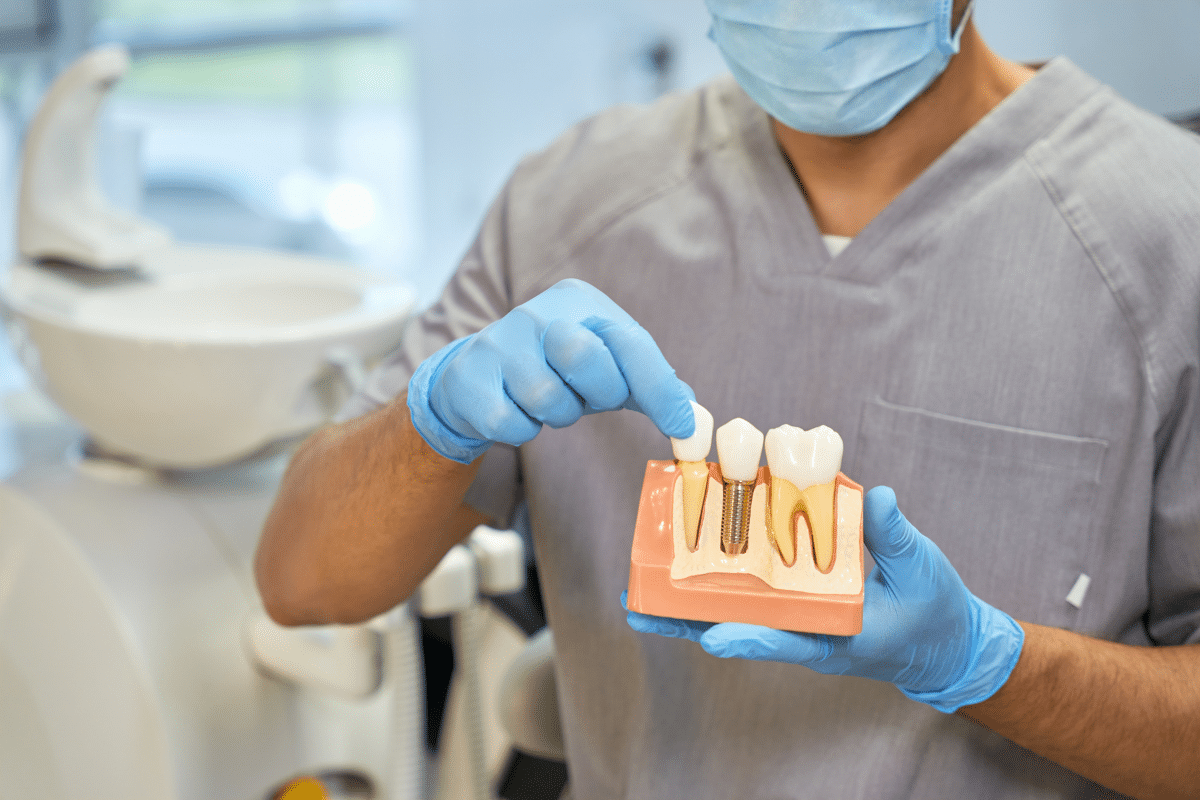
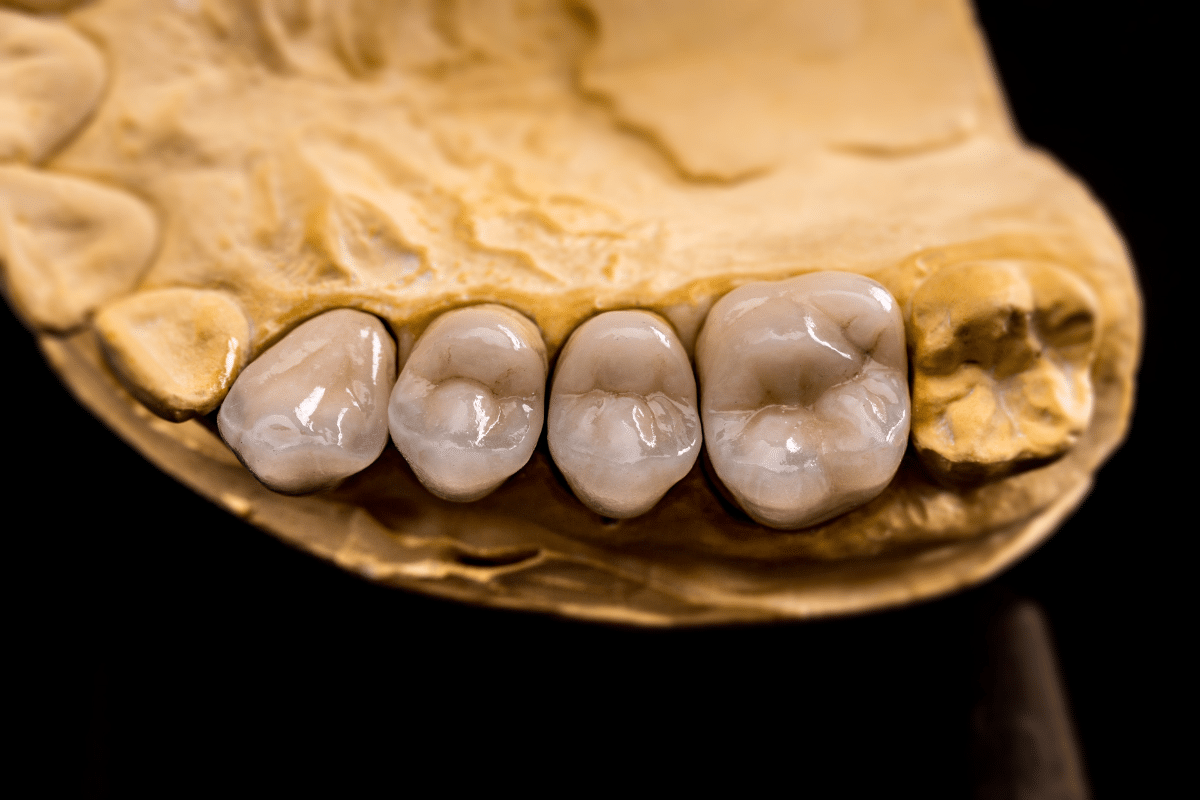
A dental crown is a custom-made restoration that fits over a prepared tooth. It surrounds the visible portion of the tooth and provides an added layer of protection. At the same time, it helps restore the tooth’s natural size, shape, and function.
Crowns are available in materials such as porcelain, ceramic, zirconia, and metal alloys. Tooth-colored options can blend naturally with your surrounding teeth, while other materials may be selected for their strength and durability.
Your dentist will consider the tooth’s location, condition, bite, appearance, and your individual needs when recommending a crown material.
When Might You Need a Dental Crown?
A crown may be recommended when a tooth has more damage than a traditional filling can comfortably support. Common reasons for needing a crown include:
- A cracked or fractured tooth
- Extensive tooth decay
- A tooth with a large filling
- Severe wear or structural weakness
- A tooth that has undergone root canal treatment
- A tooth that needs additional protection
Before recommending treatment, your dentist will examine the tooth and determine whether a crown is the most appropriate option. In some cases, another type of restoration may provide better protection.
Signs You May Need a Crown
Certain changes can indicate that a tooth needs professional attention. Contact your dentist if you notice:
- A tooth that is cracked, chipped, or significantly worn
- A large filling that repeatedly becomes loose
- Pain or discomfort when biting
- A tooth that recently received root canal treatment
- Extensive decay
- A tooth that has become discolored or misshapen
Getting the tooth examined early can help your dentist determine the cause of the problem and discuss appropriate treatment options.
What Happens During a Dental Crown Procedure?
The process for receiving a dental crown in Bowling Green depends on your tooth and the type of restoration selected.
At your first visit, your dentist will numb the area and carefully prepare the damaged tooth. A digital scan or traditional impression may then be used to create a crown designed to fit your tooth and bite.
Depending on the dental office and treatment, the crown may be completed using same-day technology or fabricated by a dental laboratory. If your permanent crown is not ready immediately, a temporary crown may be placed to protect the prepared tooth.
Once the permanent crown is ready, your dentist will check its fit, appearance, and bite. After making any necessary adjustments, the crown is securely attached to the tooth.
How Can a Dental Crown Help?
A properly fitted crown can strengthen and protect a weakened tooth while helping restore everyday chewing function. It can also improve the tooth’s shape and overall appearance.
The ideal crown material depends on several factors, including the tooth’s location, bite pressure, cosmetic goals, and overall oral health. Porcelain, ceramic, and zirconia options can provide a natural-looking appearance, while other materials may offer different durability benefits.
Your dentist can explain the available choices and help you understand which restoration may suit your smile.
How Do You Care for a Dental Crown?
A crowned tooth still requires the same consistent oral hygiene as your natural teeth. Brush twice a day with fluoride toothpaste and floss daily, paying close attention to the area around the crown and gumline.
Avoid biting hard objects, chewing ice, or using your teeth to open packages. If your crown feels loose, becomes damaged, or causes ongoing discomfort, contact your dentist for an evaluation.
If you are considering a dental crown in Bowling Green, a professional examination can help determine whether a crown is appropriate for your tooth. Your dentist can evaluate the extent of the damage and create a treatment plan based on your oral health and smile goals.
Restore and Protect Your Smile
A weakened or damaged tooth does not have to continue affecting your daily life. The right restorative treatment can help protect the remaining tooth structure while improving comfort, function, and appearance.
If you think you may need a dental crown in Bowling Green, schedule an appointment with Simon Dentistry. Our dental team can examine your tooth, explain your treatment options, and help you take the next step toward a healthier, stronger smile.
Frequently Asked Questions (FAQ’s)
Does getting a dental crown hurt?
Your dentist will numb the treatment area before preparing the tooth. You should not feel pain during the procedure, although some mild sensitivity or soreness may occur afterward.
How long does a dental crown last?
The lifespan of a crown varies based on the material, oral hygiene, bite forces, and everyday habits. With proper care and regular dental visits, many crowns can last for many years.
Will my crown look natural?
Yes. Modern porcelain, ceramic, and zirconia crowns can be designed to closely match the color and shape of your surrounding teeth, creating a natural-looking result.
Does dental insurance cover crowns?
Coverage varies between dental insurance plans. Some plans may cover part of the cost when a crown is considered necessary to restore a damaged tooth. Your dental team can help you understand your available benefits.
Can I eat normally after getting a crown?
You can generally return to normal eating once the numbness has completely worn off. Your dentist may recommend avoiding very sticky or hard foods, particularly immediately after treatment.