We offer 24-hour emergency services. Visit us for your urgent care needs.

How Dental Crowns Can Give You a Smile You’ll Love This Holiday Season

By Simon Dentistry | December 29, 2023
The holiday season brings family gatherings, parties, photos, and plenty of reasons to smile. If a damaged, cracked, worn, or discolored tooth makes you feel less confident, this can be a good time to explore your restorative options. A dental crown can protect a weakened tooth while also improving its shape, appearance, and function.
For patients considering dental crowns in Bowling Green, understanding how crowns work and when they may be recommended can make the treatment decision easier. A custom dental crown can restore a tooth that has experienced significant damage and help you enjoy a healthier, more confident smile.
What Is a Dental Crown?
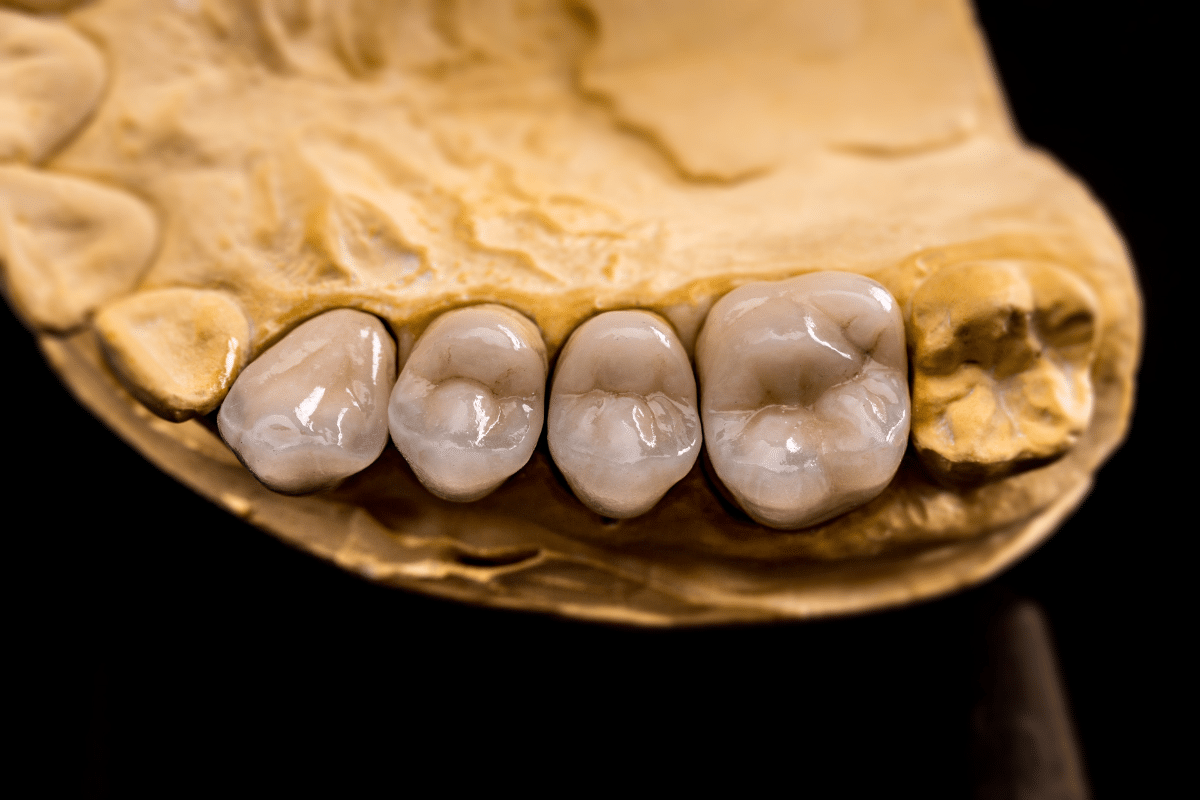
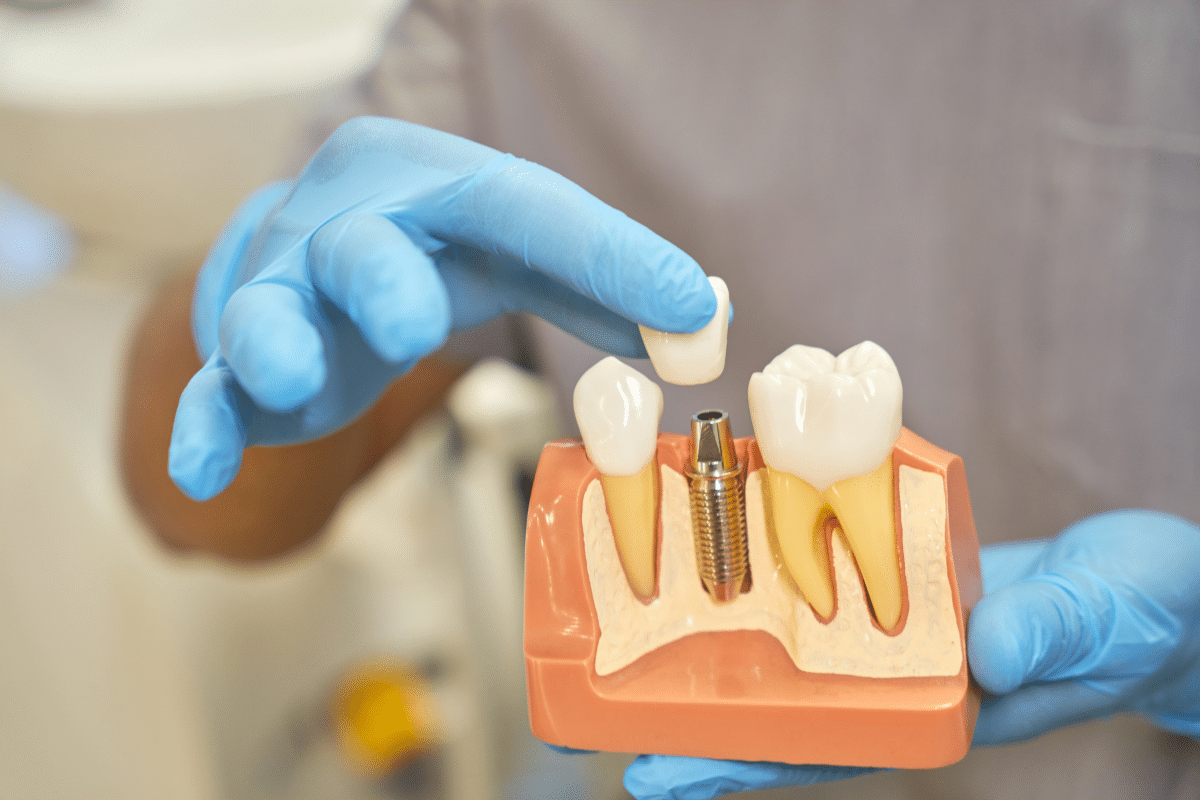
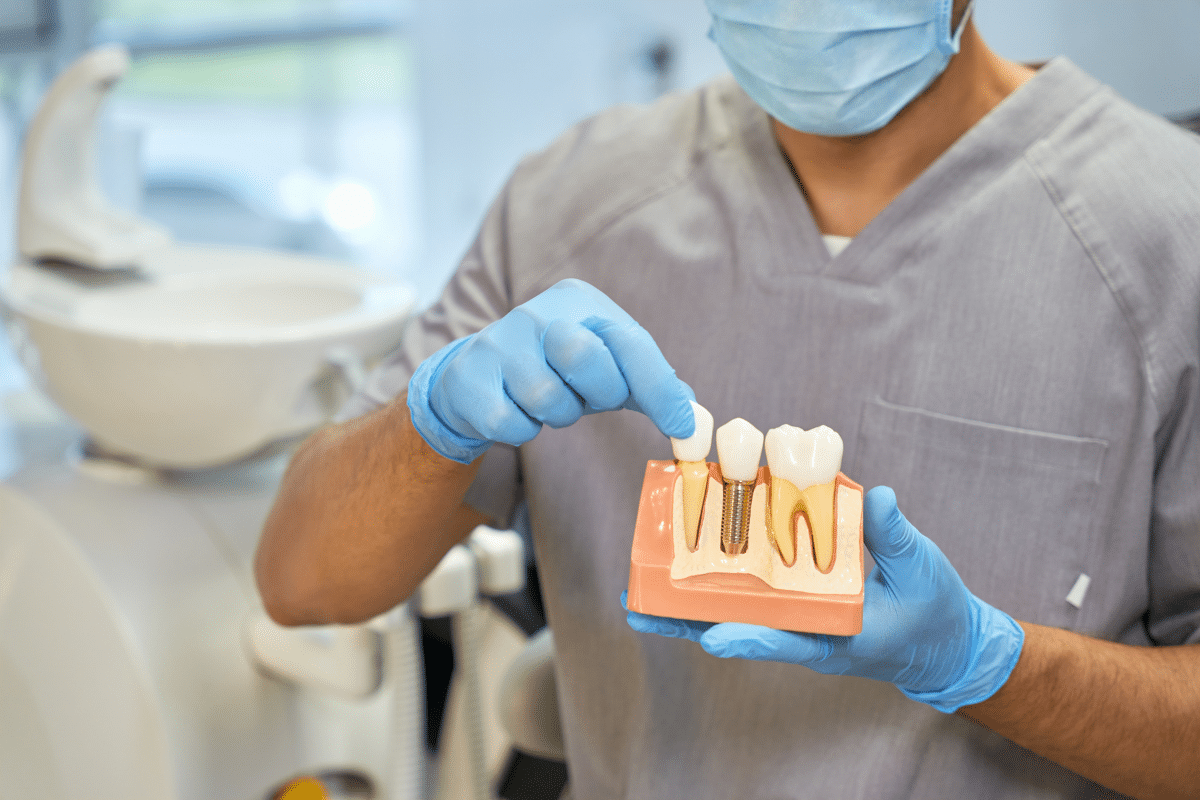
A dental crown is a custom-made restoration that covers the visible portion of a damaged or weakened tooth. It is designed to restore the tooth’s shape, strength, size, and appearance.
Dentists may recommend a crown when a tooth has too much damage for a traditional filling to provide enough support. Crowns may also be used after certain root canal treatments, for severely worn teeth, or to restore a tooth that has cracked or broken.
Unlike a temporary repair, a properly fitted crown is designed to become a long-term part of your smile.
Why Consider Dental Crowns Before the Holidays?
The holiday season often means more social events, family photos, and special occasions. If you are unhappy with a damaged or unattractive tooth, restoring it may help you feel more comfortable when you smile.
Here are some potential benefits of dental crowns:
Restore a Damaged Tooth
A severely damaged tooth can become weaker over time. A crown covers and supports the remaining tooth structure, helping restore normal chewing function.
Improve the Appearance of Your Smile
Modern crowns can be designed to blend with surrounding teeth. Your dentist can consider the crown’s shape, size, and shade when planning your restoration.
Protect a Weak Tooth
A cracked or heavily restored tooth may be vulnerable to additional damage. A crown provides full coverage and helps protect the tooth during everyday biting and chewing.
Restore Comfort and Function
When a damaged tooth affects your bite, eating may become uncomfortable. A properly fitted crown can help restore the tooth’s normal shape and function.
When Might You Need a Dental Crown?
Not every damaged tooth requires a crown. Your dentist will examine your tooth and determine which treatment is appropriate.
A crown may be considered when you have:
- A cracked or broken tooth
- Extensive tooth decay
- A large filling with limited remaining tooth structure
- A severely worn tooth
- A tooth that has undergone root canal treatment
- A tooth that needs significant structural support
- A cosmetic concern that can be addressed with a restorative crown
The best treatment depends on the condition of your tooth, your oral health, and your individual needs.
What Is the Dental Crown Process Like?
Getting a crown usually begins with a dental examination. Your dentist evaluates the tooth and discusses your treatment options.
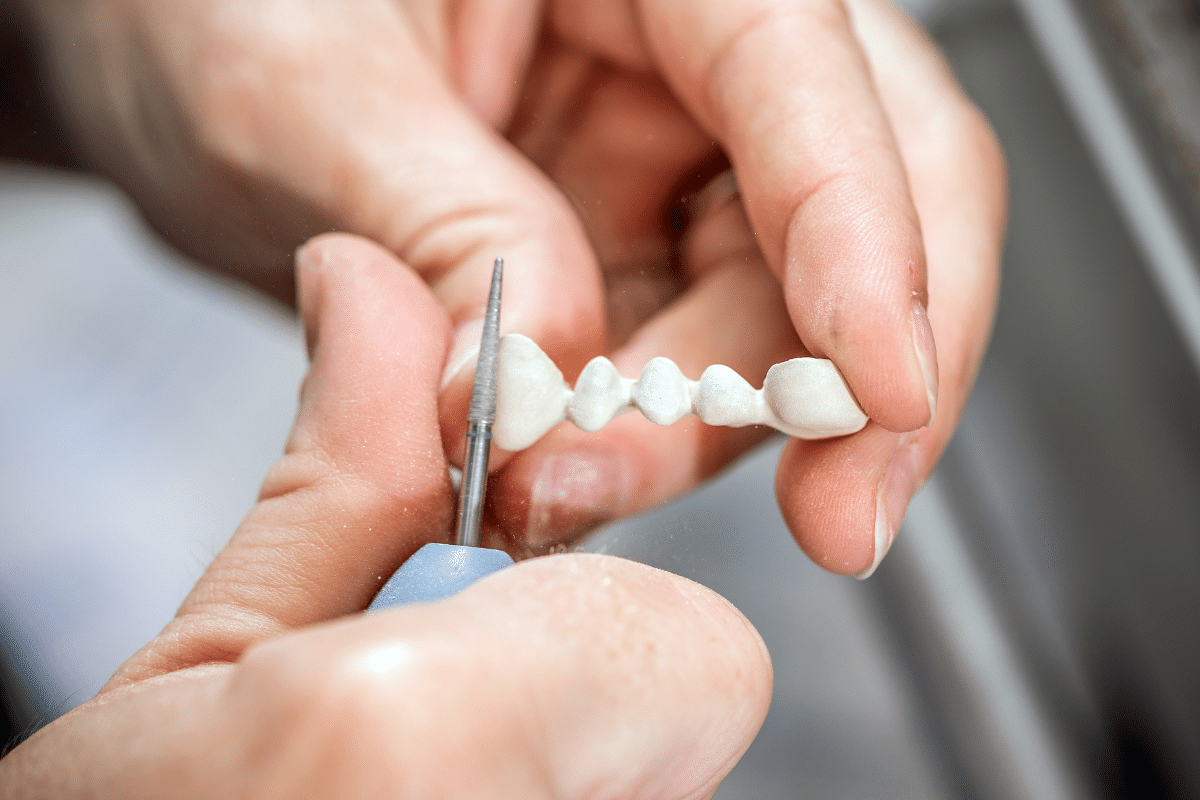
If a crown is recommended, the tooth is prepared so the restoration can fit properly. Impressions or digital measurements may then be used to create a crown that matches your bite and surrounding teeth.
Depending on the treatment approach and type of restoration, you may receive a temporary crown while the permanent crown is being prepared. Once the final crown is ready, your dentist checks its fit, appearance, and bite before placing it.
The goal is a restoration that feels comfortable and looks natural.
How Can You Care for Your Dental Crown?
A dental crown still requires regular oral care. The tooth underneath and the surrounding gum tissue need protection from plaque and bacteria.
To help maintain your crown:
- Brush your teeth twice a day.
- Floss every day.
- Avoid using your teeth to open packages.
- Be careful with very hard foods.
- Visit your dentist for regular examinations and cleanings.
- Contact your dentist if your crown becomes loose, cracked, or uncomfortable.
Good daily habits can help protect both your crown and the rest of your smile.
Dental Crowns and Your Holiday Smile
A beautiful holiday smile is about more than appearance. Restoring a damaged tooth can also help improve comfort and everyday function. If you have been putting off treatment because of a cracked, worn, or weakened tooth, a dental crown may be one option worth discussing with your dentist.
For patients looking for dental crowns in Bowling Green, Simon Dentistry provides restorative dental care designed around each patient’s needs. The practice’s dental crown service focuses on restoring damaged teeth while maintaining a natural-looking smile.
If you are preparing for upcoming celebrations and want to feel more confident about your smile, schedule a consultation with Simon Dentistry. Your dentist can examine your tooth, explain your options, and help determine whether a dental crown is right for you.
Give Your Smile Something to Celebrate
You do not have to spend the holiday season hiding a damaged or weakened tooth. A dental crown may restore your tooth’s function, protect it from further damage, and help you feel more confident when you smile.
If you are considering dental crowns in Bowling Green , talk with the experienced team at Simon Dentistry. A personalized evaluation can help you understand your treatment options and decide what is best for your smile.
Frequently Asked Questions (FAQ’s)
How long can a dental crown last?
The lifespan of a crown depends on the material used, your oral hygiene, bite forces, and other factors. With proper care, many dental crowns can last for many years.
Does getting a dental crown hurt?
The tooth is typically numbed during crown preparation. Some sensitivity or mild discomfort can occur after treatment, but your dentist can provide instructions for managing it.
Can a crown improve the appearance of a tooth?
Yes. A crown can restore the shape, size, and color of a damaged tooth. Your dentist can design the restoration to complement the surrounding teeth.
Can I eat normally with a dental crown?
Once your dentist has completed the treatment and the crown is properly fitted, you should generally be able to use the restored tooth for normal chewing. Follow your dentist’s instructions, especially immediately after placement.
What should I do if my dental crown becomes loose?
Contact your dentist as soon as possible. Do not use household glue to reattach a crown. Prompt dental care can help protect the tooth underneath.