We offer 24-hour emergency services. Visit us for your urgent care needs.

The Benefits of Single Tooth Dental Implants: What to Know Before Treatment


By Simon Dentistry | February 7, 2024
Losing one tooth can affect much more than your smile. A missing tooth may make chewing less comfortable, change the way you speak, or leave you feeling less confident. It can also affect the teeth and bone around the empty space over time. Fortunately, modern restorative dentistry offers several ways to replace a missing tooth.
For many patients, dental implants in Bowling Green provide a stable and natural-looking option. Unlike a traditional dental bridge, an implant replaces both the missing tooth and its root. This can help restore the appearance, function, and stability of your smile while supporting the surrounding oral structures.
What Is a Single Tooth Dental Implant?
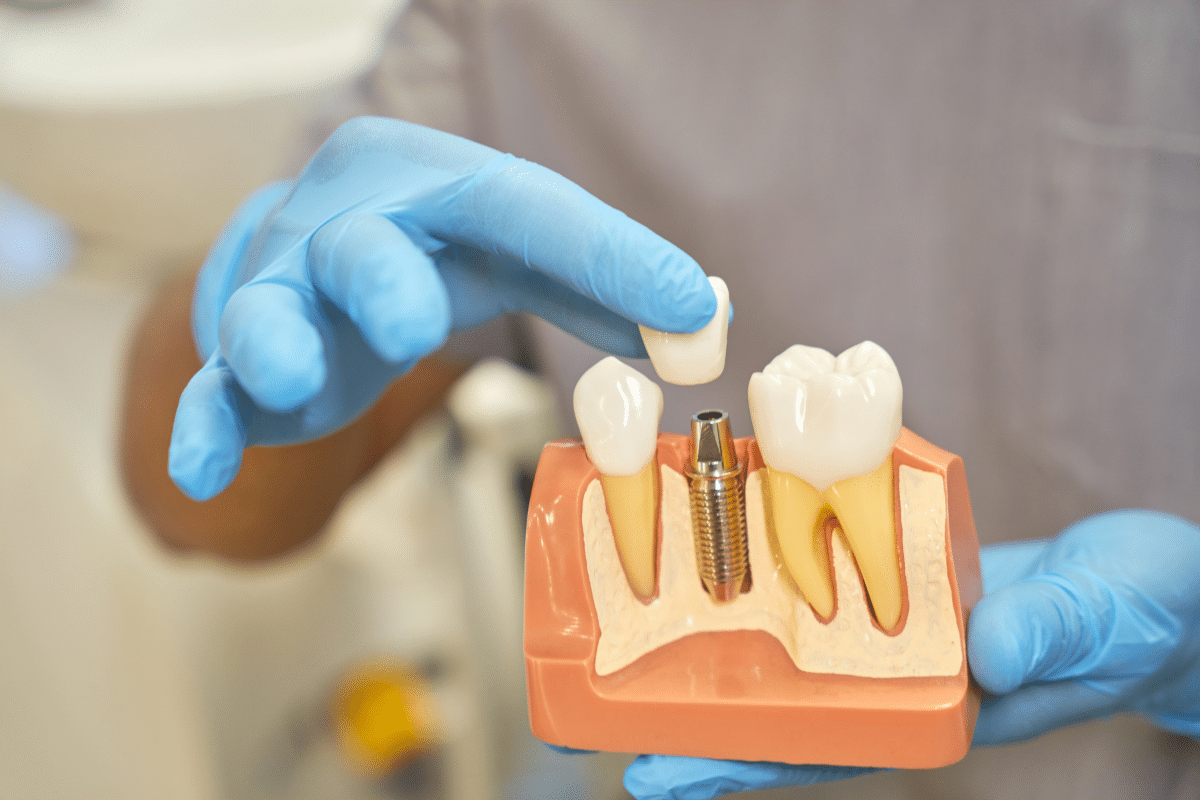
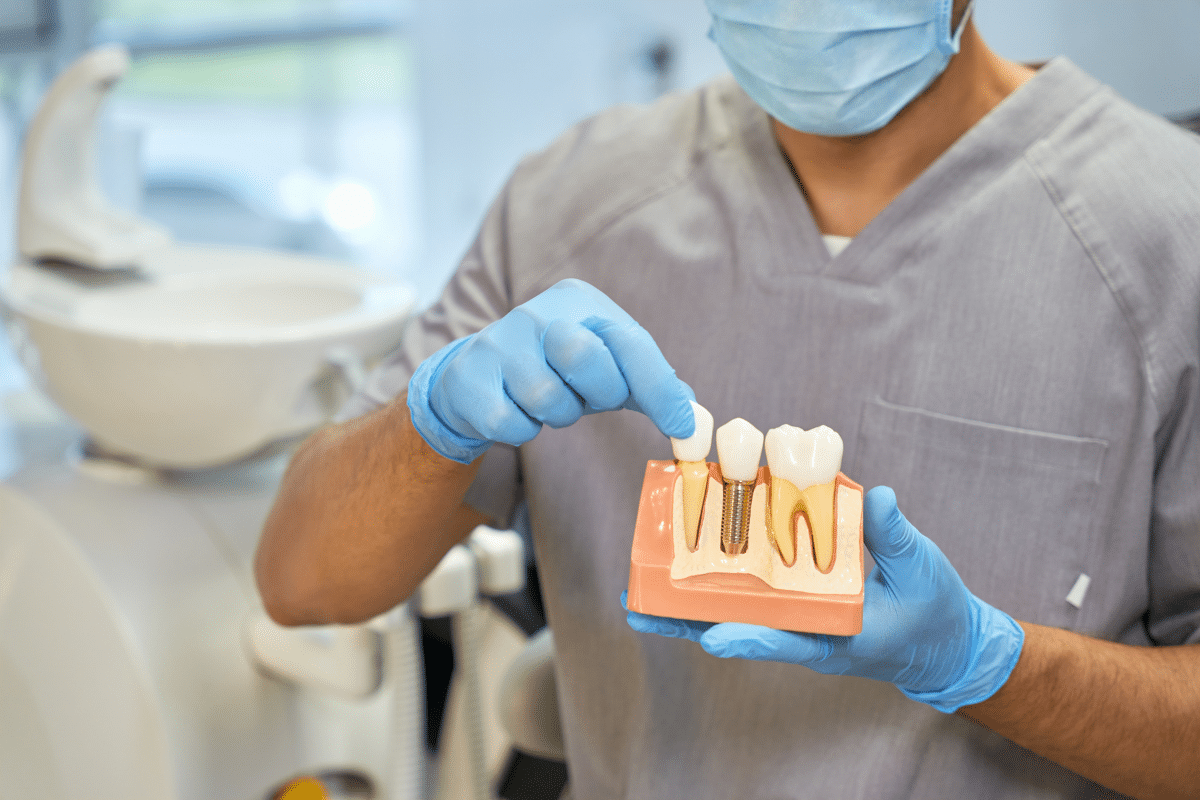
A single tooth dental implant is a tooth replacement designed for someone who has lost one tooth. The treatment generally involves three main components: an implant post, an abutment, and a dental crown.
The implant post is placed into the jawbone and acts as an artificial tooth root. Once the area has healed and the implant has integrated with the surrounding bone, an abutment connects the implant to a custom dental crown. The crown is designed to look and function much like a natural tooth.
Because the implant is anchored in the jaw, it does not need to rely on neighboring teeth for support.
Benefits of Single Tooth Dental Implants
1. A Natural-Looking Smile
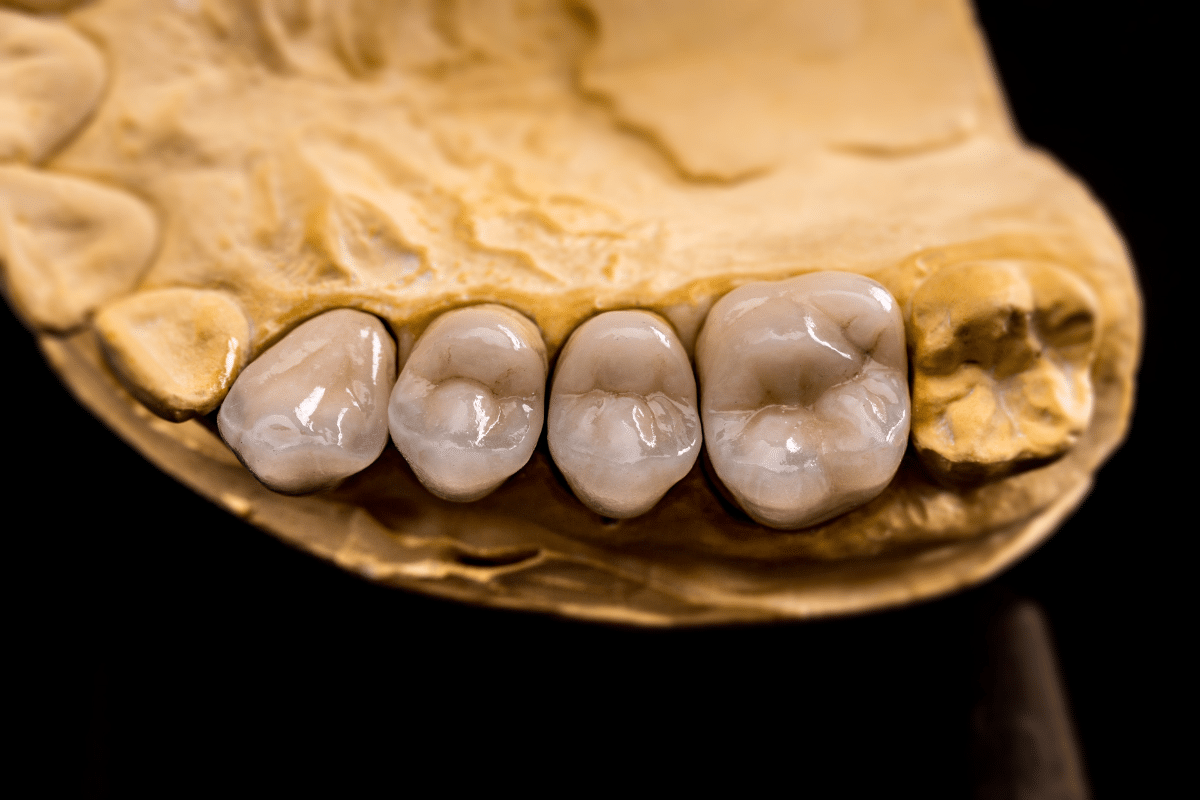
A replacement tooth should blend comfortably with your existing smile. A custom dental crown can be designed to match the color, shape, and size of the surrounding teeth.
This can make the replacement tooth look much more natural when you smile, talk, or eat.
2. Helps Preserve Healthy Neighboring Teeth
Traditional dental bridges typically use adjacent teeth as support. This can require altering those teeth to accommodate the restoration.
A single tooth implant is different. The implant is placed in the space left by the missing tooth and does not require neighboring healthy teeth to serve as anchors.
3. Restores Chewing Function
A missing tooth can make certain foods harder to chew comfortably. Because a dental implant is secured in the jaw, it can provide a stable foundation for a replacement crown.
Once treatment is complete and your dentist confirms that the implant is functioning properly, you can use the restored tooth as part of your normal bite.
4. Helps Support the Jawbone
The roots of natural teeth provide stimulation to the surrounding jawbone. When a tooth is lost, the bone in that area can gradually change.
Because an implant replaces the missing tooth root, it can help maintain the structure of the jawbone in the treated area. Your dentist will evaluate your bone health to determine whether an implant is appropriate for you.
5. Comfortable and Secure
Removable dentures can move during eating or speaking. A properly placed dental implant is secured within the jaw, which can provide greater stability.
This allows many patients to feel more comfortable when eating, speaking, and smiling.
6. No Denture Adhesives or Removable Appliance
A single tooth implant is fixed in place. You do not need to remove it at night or use denture adhesive.
You care for the crown and surrounding teeth with regular brushing, flossing, and professional dental cleanings, just as you would with your natural teeth.
7. Designed for Long-Term Use
Dental implants are designed to provide a durable foundation for tooth replacement. Their long-term success depends on factors such as oral hygiene, overall health, bone support, proper placement, and regular dental care.
With appropriate care and routine dental visits, an implant-supported restoration can provide long-lasting tooth replacement.
What Is the Single Tooth Implant Process Like?
Treatment begins with a dental examination and treatment planning. Your dentist may use dental X-rays or advanced imaging to evaluate the jawbone and determine the ideal implant position.
If an implant is recommended, the implant post is placed into the jawbone. A healing period may follow while the implant integrates with the surrounding bone.
After the area has healed sufficiently, an abutment and custom dental crown can be placed. The exact timeline varies from patient to patient because factors such as bone health and healing can affect treatment.
Single Tooth Implant vs. Dental Bridge
Both dental implants and bridges can replace a missing tooth, but they work differently.
A bridge uses neighboring teeth to support the replacement tooth. A dental implant is anchored in the jaw and supports its own crown.
The right choice depends on your oral health, bone structure, existing teeth, treatment goals, and personal preferences. A dental professional can explain the advantages and limitations of each option during a consultation.
How Do You Care for a Dental Implant?
Taking care of an implant-supported crown is similar to caring for your natural teeth. Brush twice daily, clean between your teeth every day, and maintain regular dental appointments.
Your dentist can also recommend specific cleaning techniques based on your implant and surrounding gum health.
Good daily care is important because the gums and tissues around an implant still need protection from plaque and infection.
Restore Your Smile With Dental Implants
Replacing one missing tooth can help restore both the function and appearance of your smile. A single tooth dental implant offers a stable alternative to removable tooth replacement and can avoid placing support on neighboring healthy teeth.
If you are considering an implant, the best approach is to have your oral health evaluated by an experienced dental professional. Simon Dentistry can discuss your options, evaluate your needs, and help determine whether a dental implant is right for your smile.
Contact with Simon Dentistry to learn more about replacing a missing tooth and the benefits of dental implants.
Frequently Asked Questions (FAQ’s)
How long does a single tooth dental implant last?
With proper oral hygiene, regular dental visits, and appropriate care, a dental implant can provide long-term tooth replacement. The lifespan of the crown and other components can vary based on oral health, daily habits, and individual circumstances.
Is getting a single tooth implant painful?
The implant procedure is performed with anesthesia to help keep you comfortable. Some tenderness or swelling may occur after treatment, but your dental team can provide instructions to help manage the recovery period.
Can one dental implant replace one missing tooth?
Yes. A single dental implant can support one custom dental crown to replace one missing tooth. This approach allows the implant to function independently without using neighboring teeth for support.
How long does a single tooth implant take?
The treatment timeline varies from patient to patient. It may involve the initial implant placement, a healing period, and placement of the final crown. Your dentist can provide a more accurate timeline after evaluating your oral health and jawbone.
How do I know if I am a candidate for a single tooth dental implant?
Your dentist will evaluate your gums, jawbone, remaining teeth, and overall oral health before recommending treatment. If additional treatment is needed before implant placement, your dentist can explain those options during your consultation.