We offer 24-hour emergency services. Visit us for your urgent care needs.

Why Restorative Dental Care is Essential for Oral Health

Maintaining optimal oral health is crucial for overall well-being. While preventive care like regular brushing, flossing, and routine dental check-ups are fundamental, restorative dental care plays an equally important role in preserving the health and functionality of our teeth and gums. At Simon Dentistry in Bowling Green, we are committed to providing exceptional restorative dental care tailored to your unique needs. In this comprehensive guide, we delve into the significance of restorative dental care, its various types, and how it contributes to long-term oral health.
Understanding Restorative Dental Care
Restorative dentistry encompasses a wide range of procedures aimed at diagnosing, managing, and treating dental issues that affect the teeth, gums, and jaw. These procedures not only restore the aesthetics of a smile but also ensure that the mouth functions correctly. The primary goal of restorative dental care is to bring back the natural look and function of teeth that have been damaged due to decay, trauma, or disease.
Types of Restorative Dental Procedures
1. Fillings: Dental fillings are the most common restorative procedure. They are used to repair minor cavities and fractures in teeth. Materials like composite resin, amalgam, gold, and porcelain can be used, depending on the location and extent of the damage.
2. Crowns: Dental crowns, or dental caps, cover damaged teeth to restore their shape, size, strength, and appearance. They are essential for protecting weak teeth from further damage and ensuring they function properly.
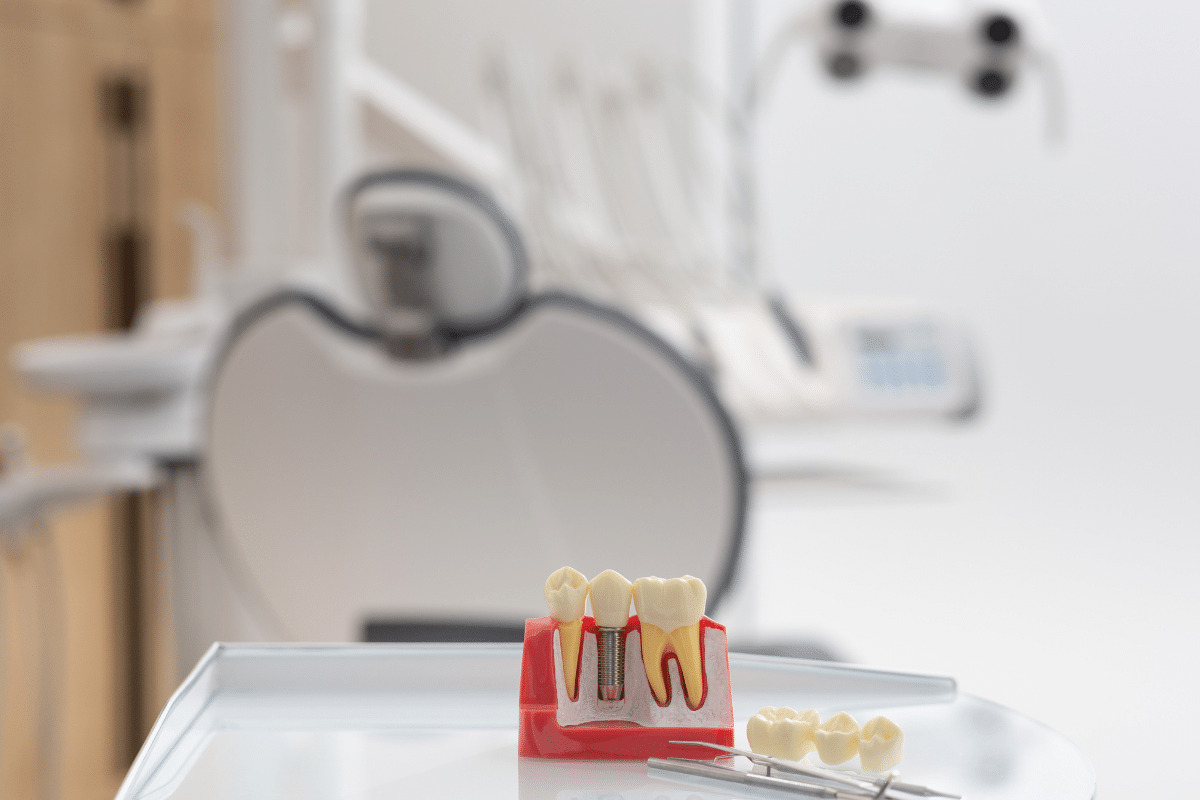
3. Bridges: Dental bridges are used to replace one or more missing teeth. They consist of two or more crowns for the teeth on either side of the gap and a false tooth or teeth in between. This not only improves appearance but also restores chewing and speaking abilities.
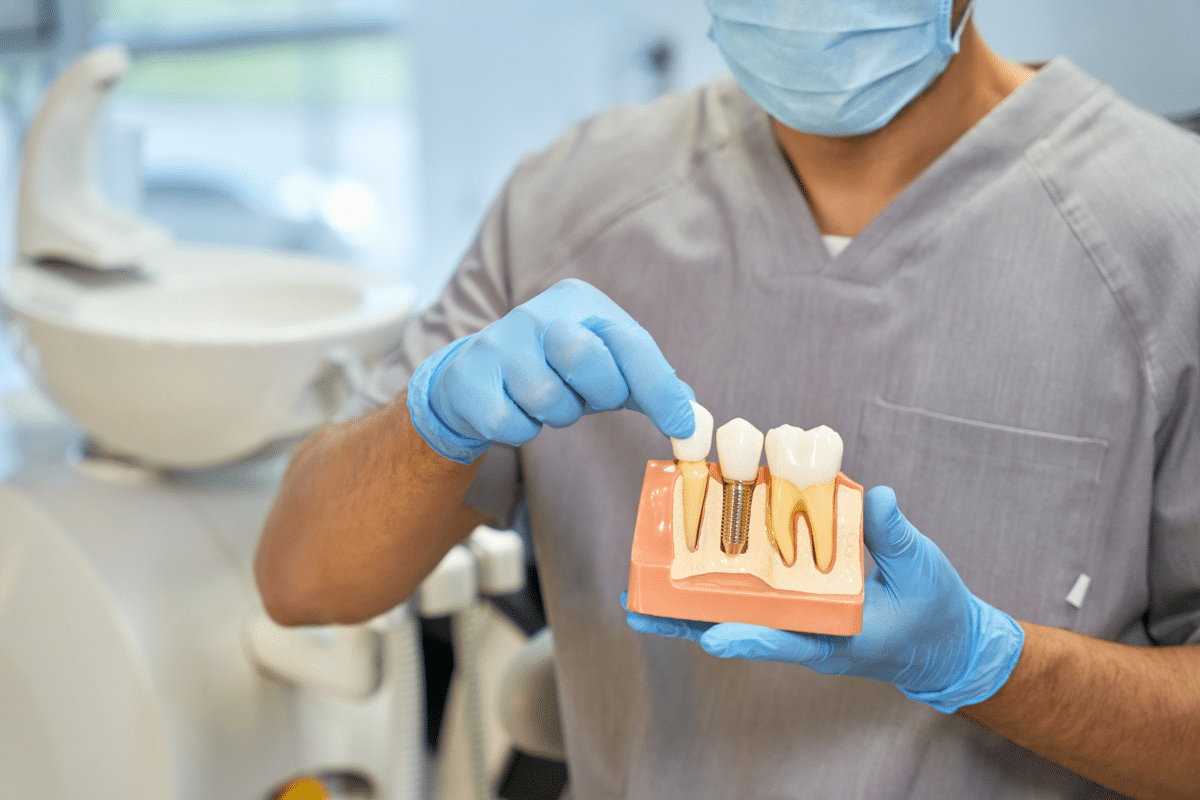
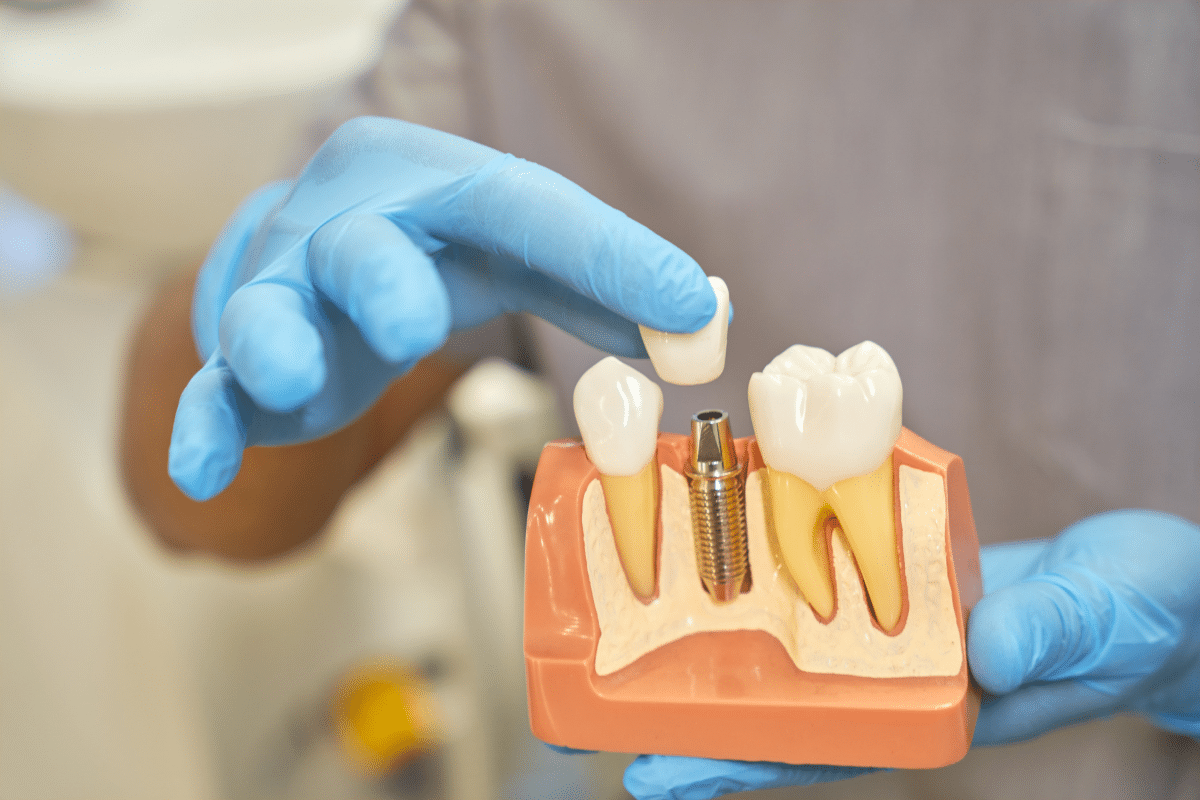
4. Implants: Dental implants are artificial tooth roots placed into the jawbone to support a replacement tooth or bridge. They offer a long-term solution for tooth loss, providing stability and strength comparable to natural teeth.
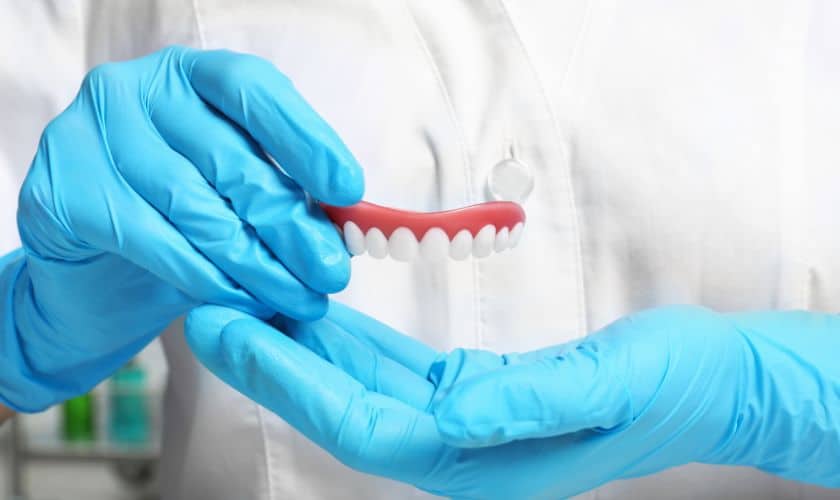
5. Dentures: Dentures are removable appliances that replace missing teeth and surrounding tissues. They can be complete (replacing all teeth) or partial (replacing some teeth). Modern dentures are more comfortable and natural-looking than ever before.
6. Root Canal Therapy: Root canal therapy is necessary when the dental pulp (the soft tissue inside the tooth) becomes infected or inflamed. This procedure involves removing the infected pulp, cleaning the inside of the tooth, and sealing it to prevent further infection.
Benefits of Restorative Dentistry
Restoration of Functionality
Restorative procedures ensure that teeth function as they should. For instance, fillings and crowns enable proper chewing and biting, while implants and bridges maintain jaw alignment and speech clarity.
Prevention of Further Damage
By addressing dental issues promptly, restorative care prevents the escalation of minor problems into major ones. For example, filling a small cavity can prevent the need for a more invasive procedure like a root canal.
Enhanced Aesthetics
A healthy smile contributes significantly to self-esteem and confidence. Restorative procedures, such as crowns and bridges, can improve the appearance of teeth, making them look natural and attractive.
Improved Oral Health
Restorative dental care helps in maintaining overall oral hygiene. Procedures like implants and bridges ensure that adjacent teeth do not shift, thus preventing misalignment and further dental issues.
Longevity of Teeth
Timely restorative treatments can extend the life of natural teeth, reducing the need for extractions and other extensive dental work. This is crucial for maintaining oral health into old age.
When to Seek Restorative Dental Care
Identifying the need for restorative dental care early can save time, money, and discomfort. Here are some signs that you might need to consult your dentist for restorative procedures:
- Persistent Tooth Pain: Continuous tooth pain could indicate decay or infection that needs to be addressed.
- Cracked or Chipped Teeth: Even minor cracks or chips can lead to more significant problems if left untreated.
- Missing Teeth: Gaps in your teeth not only affect appearance but also impair function and oral health.
- Difficulty Chewing or Speaking: Issues with chewing or speaking can indicate the need for restorative work.
- Visible Cavities or Decay: Any visible signs of decay should be examined by a dentist to prevent further damage.
The Role of Technology in Restorative Dentistry
Advancements in dental technology have significantly improved the outcomes of restorative procedures, elevating the standard of care at modern dental practices. Tools such as digital X-rays, 3D imaging, and CAD/CAM (computer-aided design and manufacturing) systems allow for precise planning and execution of treatments. These technologies enable dentists to create highly accurate restorations, ensuring a perfect fit, natural look, and improved patient experience at any leading dental practice.
Minimally Invasive Techniques
Modern restorative dentistry emphasizes minimally invasive techniques to preserve as much natural tooth structure as possible. Laser dentistry, for instance, offers a less painful and more efficient alternative to traditional methods, reducing recovery time and improving patient comfort.
Biocompatible Materials
The use of biocompatible materials, such as zirconia and composite resins, ensures that restorations are not only aesthetically pleasing but also safe and durable. These materials mimic the natural properties of teeth, providing long-lasting results.
Cost and Insurance Considerations
Restorative dental care can be costly, but it is a necessary investment in your oral health. Many dental insurance plans cover a significant portion of the cost of restorative procedures. It is essential to check with your insurance provider to understand your coverage and any out-of-pocket expenses.
Financing Options
For those without dental insurance or with limited coverage, many dental offices offer financing options. Payment plans and credit services like CareCredit can make restorative dental care more accessible.
Restorative dental care is indispensable for maintaining oral health, functionality, and aesthetics. By addressing dental issues promptly and effectively, restorative procedures prevent further damage, enhance the appearance of teeth, and improve overall quality of life. Regular dental check-ups and being proactive about dental health can help ensure that you receive the necessary restorative care when needed.
Restore Your Smile With the Leading Restorative Dentist in Bowling Green
At Simon Dentistry, we are committed to providing top-notch restorative dental care to our patients in Bowling Green. As a trusted dentist in Bowling Green, our team is dedicated to restoring your smile and ensuring the longevity and functionality of your teeth. Whether you need a filling, crown, bridge, or any other restorative procedure, our experienced professionals use the latest technology and minimally invasive techniques to provide safe, effective, and comfortable treatments. Don’t wait until minor dental issues become major problems. Schedule a consultation with our restorative dentists in Bowling Green and take the first step toward a healthier, more confident smile.